






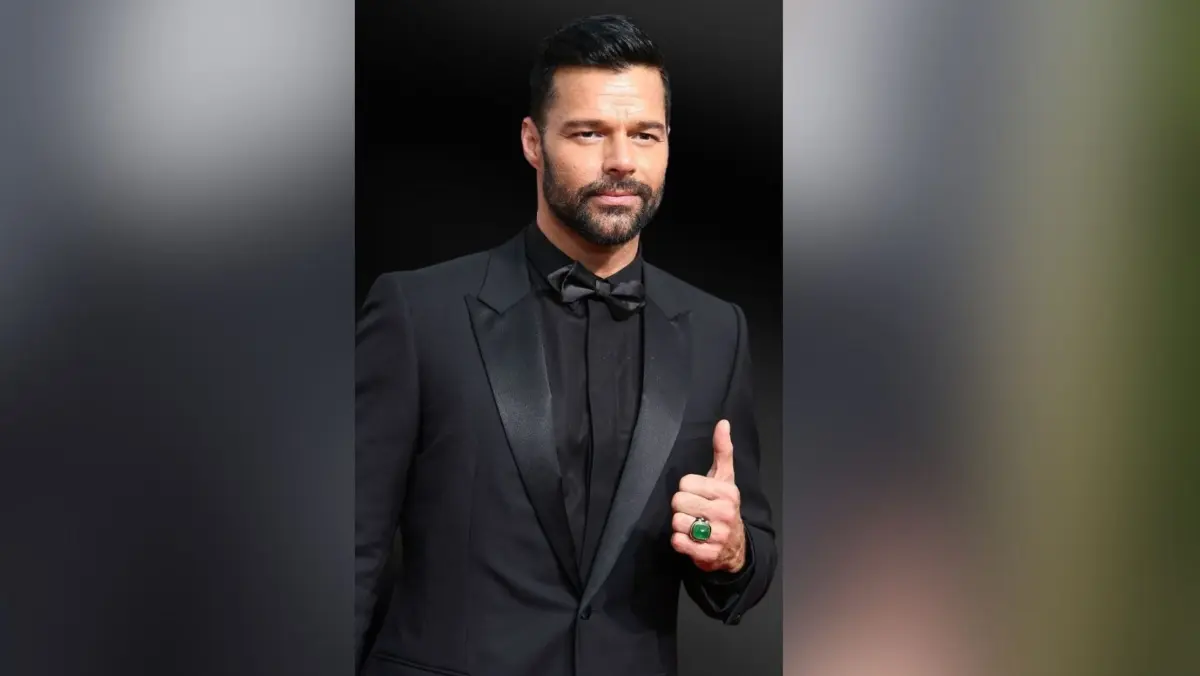
The 83rd Venice Film Festival has brought together some of the most celebrated names in international cinema, but few arrivals generated as much intriguing cross-disciplinary buzz as that of Ricky Martin. The Puerto Rican global music icon and accomplished actor stepped onto the prestigious red carpet at the Mostra—which runs from September 2nd through September 12th—as an official member of the cast of Hombre al agua. Directed by acclaimed Mexican filmmaker and actor Gael García Bernal, the film is screening out of competition at the storied Italian festival, placing Martin right at the intersection of Latin American artistic excellence and global cinematic storytelling.
At 54 years old, Martin sat down for an extensive interview with the Spanish news agency EFE on the occasion of the film’s screening. Throughout the conversation, he spoke with the characteristic candor and self-awareness that have come to define his decades-long career. Rather than treating his acting pursuits as a side venture to his legendary musical legacy, Martin described storytelling as his ultimate sanctuary and his truest home. Across the wide spectrum of his creative life—whether he is recording chart-topping anthems, performing on Broadway stages, writing literature, or taking on cameo and supporting roles in ambitious films—Martin views narrative expression as the primary thread connecting all of his endeavors.
Hombre al agua features a rich, multi-layered premise that immediately attracted Martin’s artistic sensibilities. The narrative centers on a Cuban lifeguard whose life undergoes a dramatic and surreal upheaval after he rescues a wealthy Mexican businessman. Following the rescue, the lifeguard goes to work for the businessman and eventually marries his daughter, only to discover that the luxurious new reality he has stepped into is far from what it seems. Gael García Bernal takes on the dual role of director and lead actor, playing the central lifeguard character. Meanwhile, Martin steps into a fascinating meta-cinematic role, portraying an actor hired by the protagonist’s wife to portray her husband in a biographical film-within-a-film production.
The clever framing of the movie creates a hall-of-mirrors effect, playing with themes of identity, performance, and truth—concepts that deeply resonate with an artist who has spent more than thirty years performing under the intense spotlight of global celebrity. The film’s heavyweight festival footprint is further underscored by the presence of fellow international icons Penélope Cruz and Javier Bardem, who are competing at the same festival with their film Bunker. Yet, amidst the dense slate of competitive dramas and high-profile premieres, Martin’s brief but impactful contribution to García Bernal’s project has managed to carve out its own distinct space in the festival’s cultural conversation.
The Role That Only Took One Day to Film
Despite the profound thematic complexity of Hombre al agua and its layered narrative structure, Martin’s actual time in front of the cameras for the production was remarkably concise. The singer and actor revealed that his scenes were completed in a single day of filming. Far from diminishing the value of the experience, the brevity of the shoot seemed to amplify his enthusiasm for the project. Martin described the entire filmmaking process as genuinely fun, reserving special praise for García Bernal’s leadership style on set.
According to Martin, working under García Bernal as a director creates an atmosphere of immense creative freedom. He credited the Mexican filmmaker with giving his actors the space to play, experiment, and genuinely contribute to the scene while maintaining the tight, overarching structure necessary to keep a professional film production moving forward. When asked what prompted him to accept the role, Martin noted that the decision was never in question. For him, it was simply an opportunity he would never have considered turning down, driven by an immediate artistic chemistry and trust in the director’s vision.
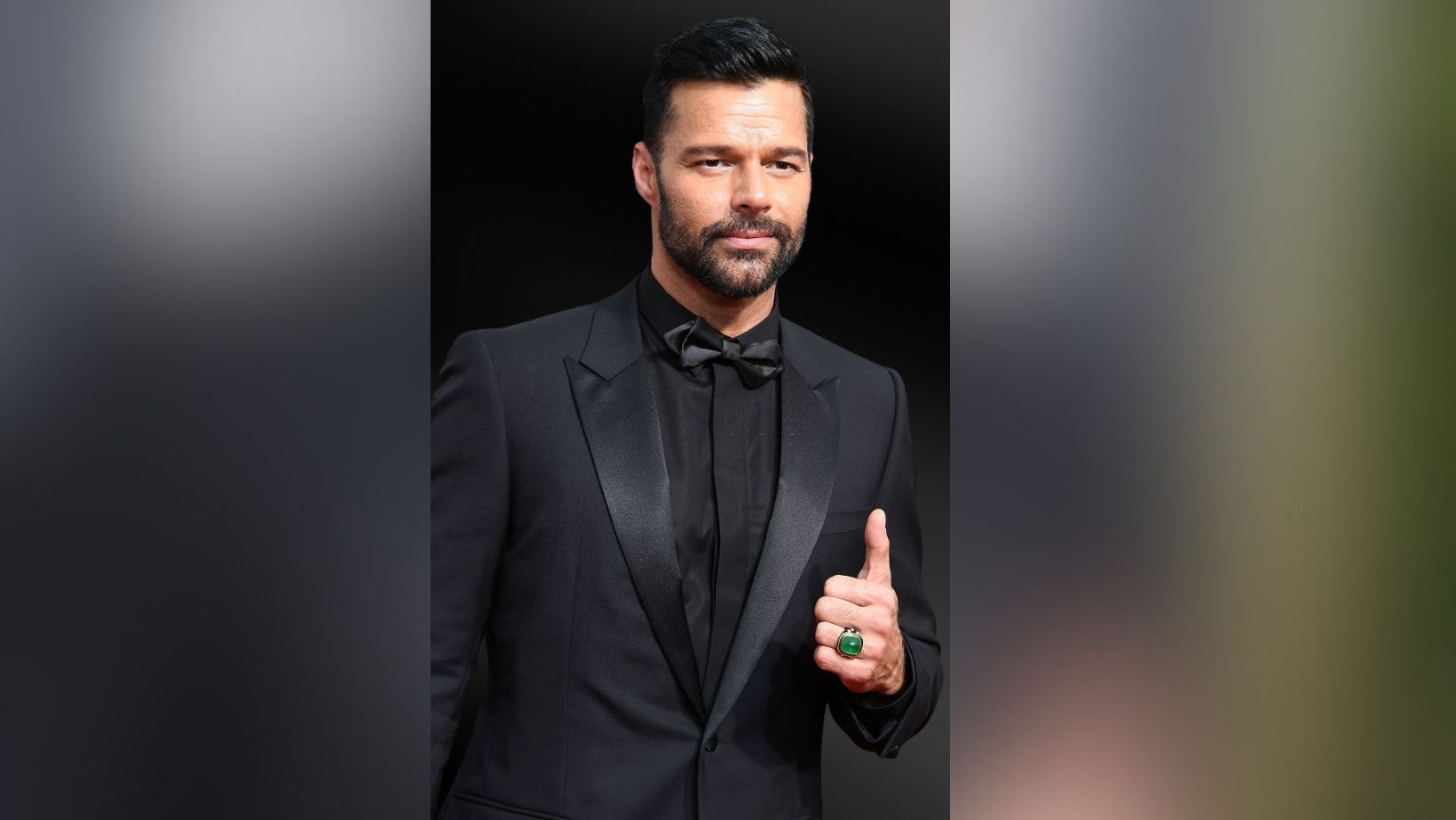
Martin also reflected on the lasting impact of the film, noting that it continues to offer him something new and unexpected every time he watches it. This layered depth, he suggested, distinguishes truly compelling art from simpler productions that reveal all their secrets on first viewing. For a performer who has spent three decades successfully navigating the rigorous demands of the music industry, television, and film across multiple languages and international markets, the ability to instantly recognize a project with that kind of enduring quality—and to say yes to it without hesitation—is a testament to his finely tuned artistic instincts.
Storytelling as the Thread That Runs Through Everything
To truly understand Ricky Martin’s remarkable longevity and career trajectory, one must take seriously his description of storytelling as his personal refuge. Over the years, his creative choices have consistently challenged the conventional boundaries of pop stardom. The artist behind monumental global hits such as “María,” “La Copa de la Vida,” and “Livin’ la Vida Loca” has steadily built a diverse portfolio that stretches far beyond the traditional confines of the music charts. His presence at the Venice Film Festival alongside creative heavyweights like Gael García Bernal is merely the latest data point in a lifelong argument for artistic fluidity.
During his conversation with EFE, Martin emphasized that finding genuine vulnerability is the absolute key to convincing an audience of something lived or witnessed. Rather than looking at performance simply as a means of entertainment, he spoke about art as a vehicle designed to spark a deeper, more meaningful conversation through shared human emotion. Whether through the global stages he has commanded for decades, the literary works he has authored, or the carefully selected film and television roles he chooses to accept, Martin treats all these mediums as equally valid containers for his creative hunger.
He expressed a continuous desire to seek out new stories, to help create them, and to make the stories of other people his own. Speaking with an easy, unforced confidence, Martin conveyed the impression of an artist who moved past the need to justify his diverse range of interests a very long time ago. For him, music, film, theater, and literature are not competing career tracks, but rather interconnected facets of a singular, lifelong storytelling journey.
On Parenthood and Staying Open
Perhaps one of the most reflective and striking moments of Martin’s conversation in Venice emerged when the discussion shifted away from the red carpets and film sets to focus on his personal life and parenthood. Martin offered a thoughtful glimpse into how raising children has profoundly reshaped his worldview, keeping him intellectually and emotionally nimble in an industry that often encourages calcification.
He candidly noted that the decisions he made a decade ago bear little resemblance to the choices he makes today, attributing a significant portion of that personal evolution to the daily recalibration required by fatherhood. His children, he explained, regularly present him with fresh perspectives and unexpected narratives that challenge his long-held assumptions. Rather than retreating into defensiveness or resistance, Martin embraces those challenges as essential catalysts for growth, noting that artists are particularly susceptible to becoming rigid in their ways, making open-mindedness a vital personal and professional necessity.
The 83rd Venice Film Festival—showcasing some of the most anticipated and daring cinematic works of the year—provided an ideal backdrop for Martin to articulate this philosophy of openness. His spontaneous decision to dedicate a day to filming a supporting role simply because a creative invitation felt right is a direct manifestation of the ethos he describes. As Hombre al agua continues to screen and generate discussions at the Mostra, the conversation surrounding Martin’s artistic priorities proves that his instinct to remain fluid, curious, and open continues to serve him well.