


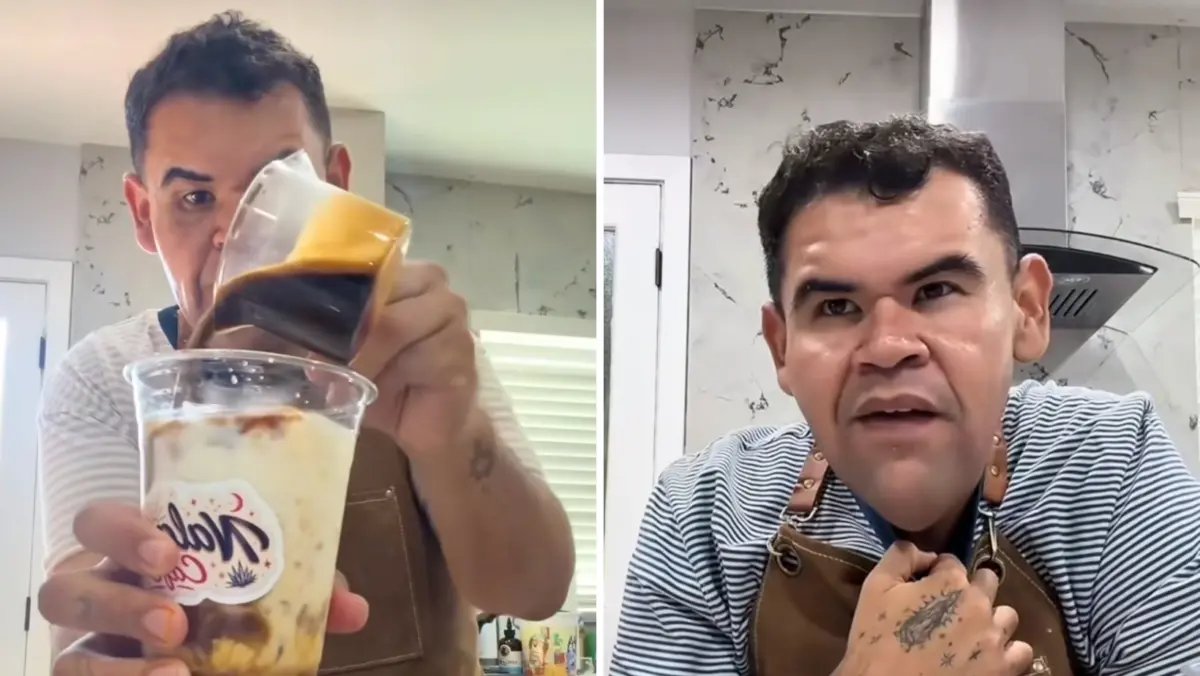
Content creation on social media often relies on a delicate social contract: authenticity, relatability, and mutual respect between creators and the audiences who elevate them. For Jesus Zapien, widely known across platforms as the TikTok content creator Jesus Nalgas, that foundational relationship has suffered a profound fracture. Known for his sketches highlighting the nuances of working-class Hispanic and Mexican family life, Zapien built a loyal community by making viewers feel authentically represented in a digital landscape that frequently lacks such cultural specificity. However, a recent controversy involving his home-based business in Downey, California, has triggered intense backlash, forcing both fans and critics to reexamine his trajectory and recent public statements.
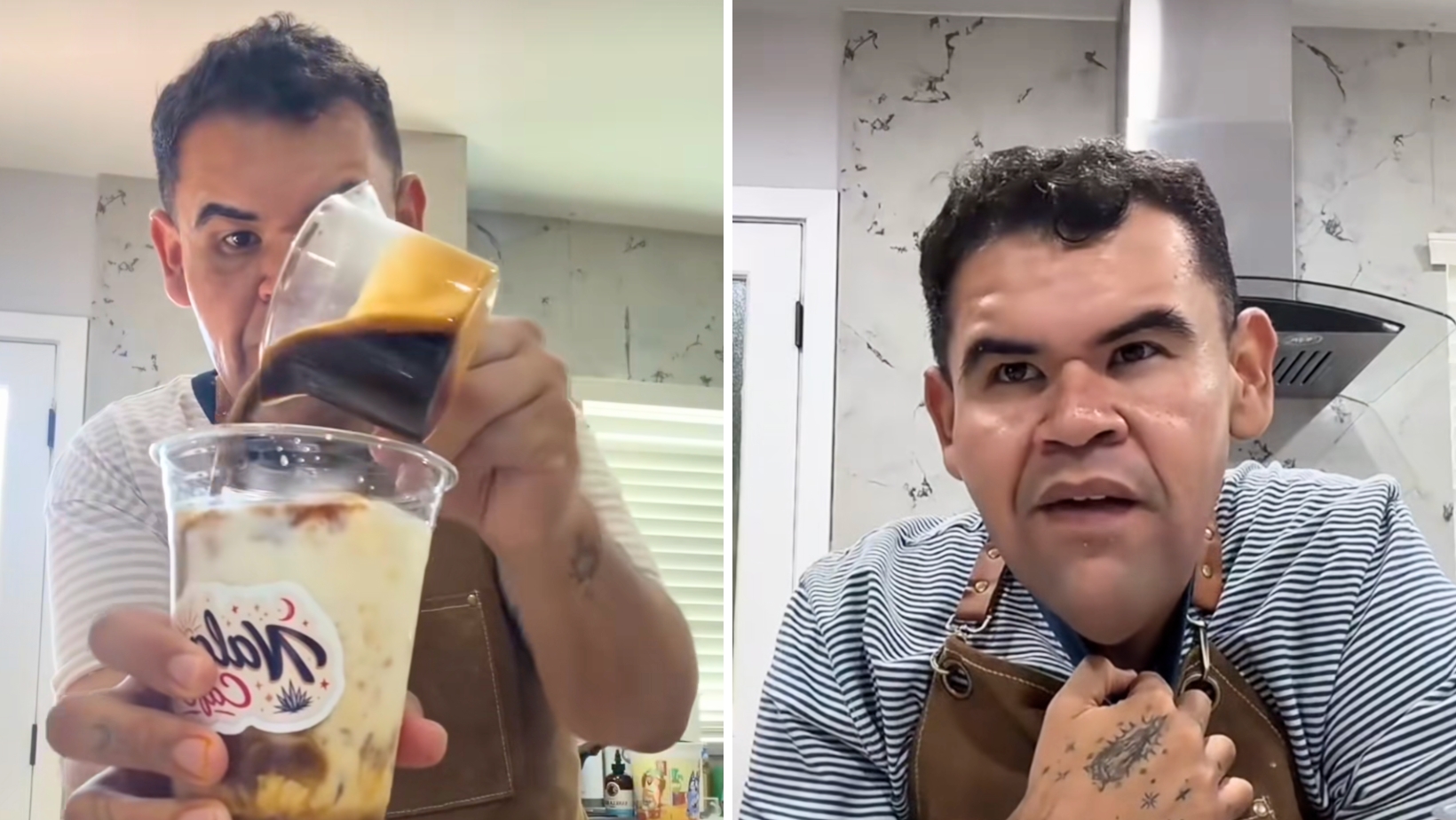
The controversy began when a customer named Natalie visited Nalgas Cafe, Zapien’s home-based coffee shop, and subsequently posted a glowing, five-star review on TikTok. The video quickly gained massive traction, eventually surpassing one million views and bringing unexpected visibility to the local enterprise. Rather than welcoming the viral promotion, Zapien responded with public hostility. During a TikTok Live broadcast, he accused Natalie of being a "clout chaser" and publicly asserted that she had doxxed him by revealing his business location.
The public reaction was swift and overwhelmingly critical, with the Latino community—the very demographic that built his platform—taking particular issue with his handling of the situation. Crucially, public records and digital footprints showed that Natalie had attempted to act in good faith long before the situation escalated. After a commenter pointed out that the house number was visible in her review video, Natalie proactively reached out to Zapien via direct message. She asked whether the visible address made him uncomfortable and explicitly offered to delete the post if he preferred.
Zapien chose not to respond to her private message. Instead of simply answering her text or asking her to take the video down privately, he opted to take his grievances to a public live stream, labeling her actions as malicious doxxing and seeking to diminish her genuine support.
The Doxxing Accusation That Collapsed Under Scrutiny
The central argument of Zapien’s accusation quickly collapsed under basic logic, drawing widespread mockery and criticism from viewers, commentary channels, and fellow creators alike. Nalgas Cafe operates directly out of Zapien’s private residence in Downey, yet he had installed a large promotional sign on his front lawn facing a main boulevard specifically designed to draw in vehicular traffic and attract customers to his public-facing business.
Furthermore, Zapien had previously published his own TikTok videos displaying the exterior of the house and had actively reposted other customer reviews that showcased the exact same residential facade without raising any security or privacy concerns. The assertion that a customer filming the front of an active, advertised local business constituted doxxing made little sense to the digital community.
As reaction videos and commentary threads dissected the interaction, a broader pattern of behavior began to emerge. Numerous users took to comment sections to share their own personal encounters with Zapien, frequently describing them as unpleasant. These accounts suggested that his aggressive reaction to Natalie was not an isolated misstep, but rather a reflection of how he handles interactions away from the carefully curated persona seen in his popular comedic sketches.
The "White People Money" Comment That Fueled Community Discontent
The friction between Zapien and his audience did not begin with the coffee shop review drama. Months prior to the incident with Natalie, Zapien had already begun alienating segments of the community that initially propelled his career through remarks referencing "white people money" in connection with his commercial ventures, including Nalgas Cafe.
For an audience that had supported him precisely because of his authentic representation of working-class Latino life, the comments signaled an unsettling shift in priorities. To many supporters, the remarks implied that Zapien was attempting to distance himself from his cultural roots and his core demographic after achieving a degree of financial success and public recognition.
The underlying sentiment behind those previous remarks raised serious questions among his followers. In the minds of working-class consumers, a dollar holds the same value regardless of where it originates. The money spent by a Mexican family supporting a local creator’s business venture is economically identical to money spent by anyone else. By framing financial success or desirable revenue through a racialized lens, Zapien appeared to have absorbed an internal hierarchy that diminishes Latino economic power—treating his core community as a stepping stone rather than a permanent home.
This perspective stands in stark contrast to broader economic realities. Latino purchasing power in the United States continues to climb rapidly, projected to reach trillions of dollars in the coming years. The working-class Hispanic households whose daily realities Zapien turned into relatable content are the very foundation upon which Nalgas Cafe and his broader social media platform were built. His longtime supporters noticed the pivot away from these roots long before the coffee shop review controversy erupted.
What Both Incidents Reveal Together
When viewed in tandem, the remarks regarding "white people money" and the public dressing down of a supportive customer tell a cohesive story about a creator struggling to navigate the transition from grassroots entertainer to business owner. Zapien achieved prominence because of his cultural specificity and the deep connection he forged with an audience that rarely sees itself centered in mainstream media. Treating that audience as disposable or viewing community support as a temporary phase rather than an enduring partnership has led to widespread disillusionment.
Natalie simply left a positive review for a local business and took the extra step of reaching out privately when a potential privacy concern arose, only to be met with public humiliation and uncharitable accusations. The digital community, already primed by months of contentious statements regarding his business philosophy, evaluated the situation and reached a definitive conclusion regarding the creator’s conduct.