







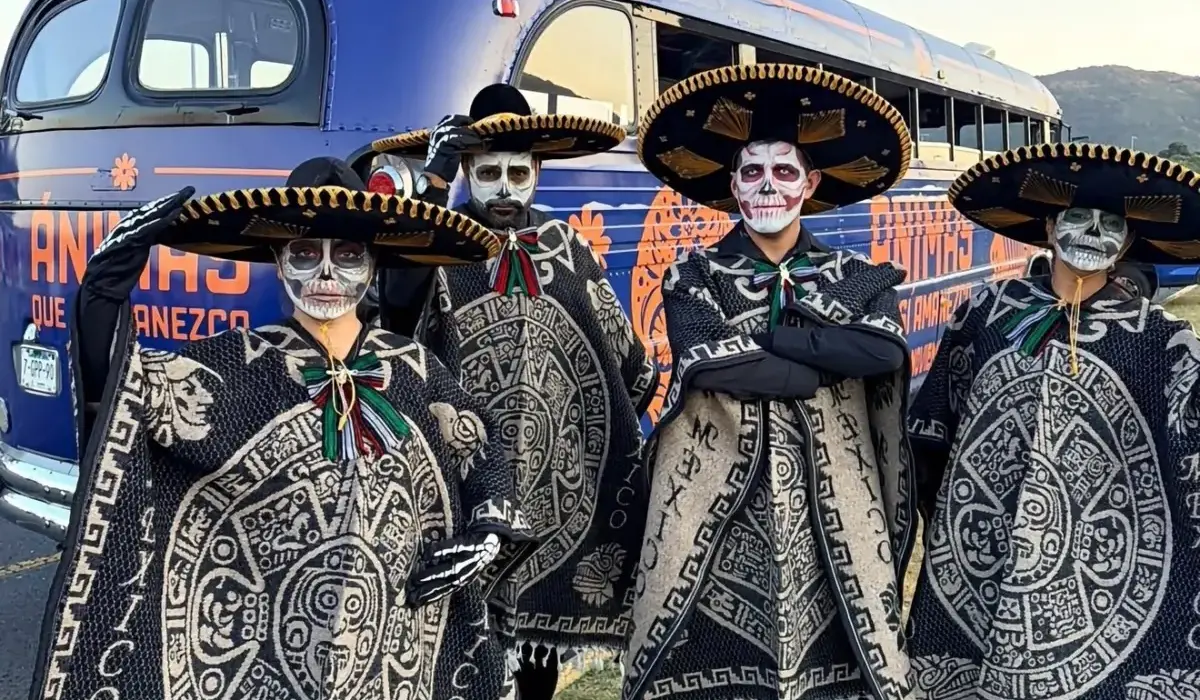
The vibrant traditions of Día de Muertos reverberated through the city of Guadalajara, Mexico, as the inaugural edition of a major cultural and musical event brought together thousands of fans, elaborate tributes, and some of the biggest names in regional Mexican music. Celebrated officially across the country on November 2, the ancient holiday stands as one of Mexico’s most profound and enduring cultural touchstones, serving as a collective moment to honor the lives of loved ones who have passed away.
Across the nation, cities and towns typically transform into vivid seas of orange and purple, adorned with traditional calaveras, lively music, and an atmosphere of joyful remembrance. Families painstakingly construct intricate altars—known as ofrendas—featuring framed photographs, cherished favorite foods of the departed, and fragrant Mexican marigold flowers, or cempasúchil. These elements work in tandem to create a welcoming path, inviting souls back from the beyond, if only for a single night, to enjoy the sensory pleasures they cherished during their time among the living.
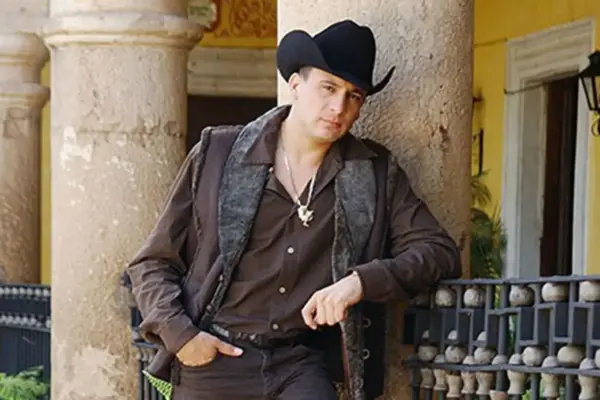
Out of this deeply rooted cultural heritage, a new musical tradition was born: the Ánimas Que Sí Amanezca festival. Created and championed by prominent regional Mexican singer Alfredo Olivas, the event carries a profound personal significance for the artist. Nearly a decade ago, in 2015, Olivas survived a harrowing onstage shooting that left him fighting for his life with multiple gunshot wounds.
Miraculously, life granted Olivas a second chance—not merely to survive the trauma, but to ascend to the absolute pinnacle of his musical genre. Over the weekend, he channeled that profound resilience into honoring the souls of the departed through an expansive, immersive celebration held at the Explanada del Estadio Akron in Guadalajara. The festival grounds were meticulously designed to immerse attendees in the spirit of the holiday, featuring candlelit altars glowing softly against the night, towering and ornate Catrina figures standing sentinel over the crowds, and specialized phone stations where festivalgoers could pause, reflect, and symbolically pretend to place calls to loved ones who are no longer present in the physical world.
The sprawling festivities kicked off on Sunday afternoon, November 1, and rolled forward with unflagging energy into the early morning hours of Monday, November 2. As the crowd gathered under the crisp November sky, they were treated to a diverse and rich sonic tapestry that showcased the breadth and evolution of Mexican popular music. Attendees swayed and danced to the infectious rhythms of cumbia brought by the legendary Los Ángeles Azules, experienced the driving, accordion-heavy sounds of norteño music delivered by rising artist Moy Bobadilla, and grooved to the nostalgic technobanda beats of Mi Banda El Mexicano.
The musical lineup reached its fever pitch with powerhouse performances of música de banda sinaloense and norteño banda. These genres were anchored by three of the absolute titans of the modern movement: festival creator Alfredo Olivas, the charismatic Edén Muñoz, and the powerhouse performer Julián Álvarez. Each artist brought their own distinct flair to the stage, blending high-energy anthems with poignant ballads that resonated deeply with the holiday’s theme of memory, loss, and celebration.
The massive turnout and enthusiastic reception for the first edition of Ánimas Que Sí Amanezca underscored the enduring power of Día de Muertos to unite communities through art and shared emotion. By fusing the solemn beauty of traditional altars and memorial spaces with the bombastic, unifying energy of a large-scale live concert, the festival successfully bridged generations of fans and established a new landmark event on Mexico’s cultural calendar. As the final notes faded into the early morning hours of November 2, the thousands of attendees who flooded the Explanada del Estadio Akron left carrying not just the memory of unforgettable live performances, but a renewed connection to a heritage that treats mortality not as an end, but as a continuation of love and music.