









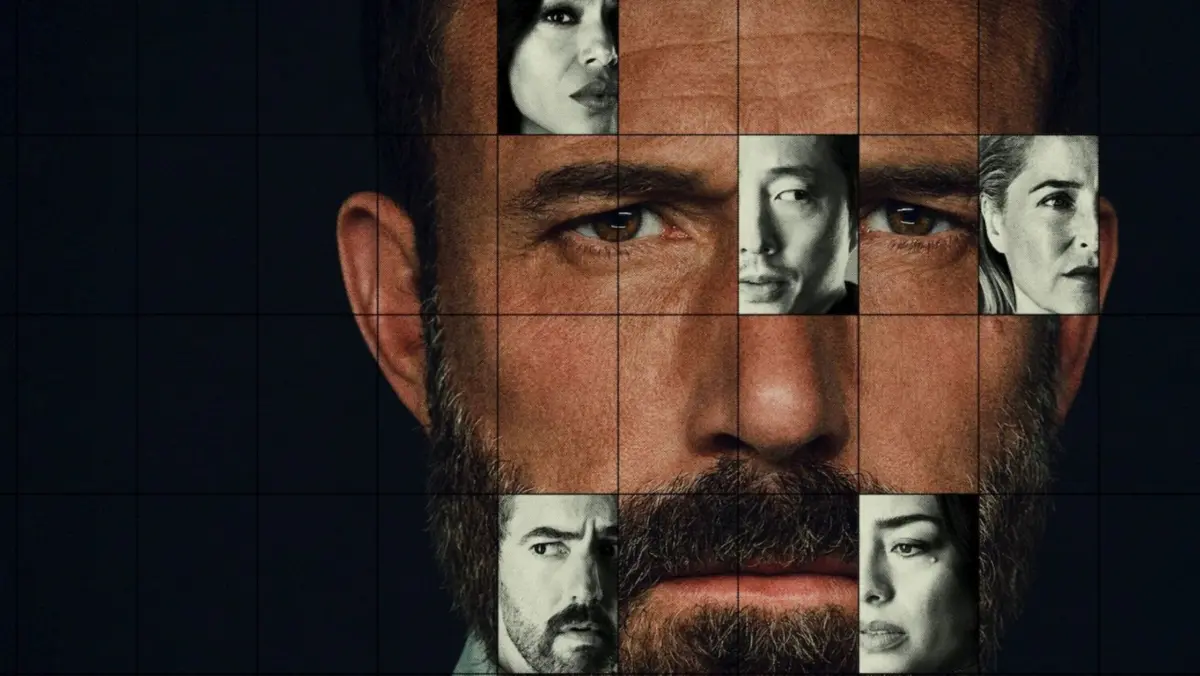
Ben Affleck recently sat down with renowned journalist Jorge Ramos to discuss his latest directorial project, the Netflix film "Animals." During the candid interview, the filmmaker and actor made it clear that this project was never approached as a detached creative exercise. Instead, Affleck revealed to Ramos that the United States fundamentally remains a nation of immigrants, emphasizing that his own family and background share a connection to that reality. For Affleck, the story of Luis and Adriana—the two central Mexican characters at the heart of "Animals"—is ultimately the story of the United States itself.
This guiding framework was not adopted merely as a marketing angle or a publicity strategy. Rather, it represents the deep personal conviction that drove every creative and logistical decision Affleck made while co-writing and directing the film. That perspective became particularly evident as he discussed the inherent risks he knew he was taking by bringing such a socially charged narrative to the screen within the current political and cultural climate surrounding immigration in the United States.
Affleck acknowledged openly that the climate of fear among immigrant communities has intensified significantly in recent years. This harsh reality manifested itself directly during the production of "Animals" in a way the director admitted he did not fully anticipate when he first embarked on the project. The film was shot on location in Los Angeles, a vibrant and diverse metropolis, but the production encountered moments of sudden tension when crews had to suspend filming altogether because Immigration and Customs Enforcement (ICE) operations were actively taking place in the immediate neighborhoods where they were working. Describing the experience, Affleck noted the surreal and striking nature of watching the dramatic scenarios written in his script play out in real life right outside the production trailers, with fiction and hard reality violently colliding on the very same streets at the exact same time.
He Knew Making This Film Was a Risk and He Made It Anyway
Affleck was remarkably direct about the fact that crafting a motion picture centered squarely on the dignity, humanity, and interior lives of immigrant characters represents a calculated risk in the current American sociopolitical landscape. Despite understanding the potential controversies and pushback, he deliberately chose to take that risk because he felt the topic demanded an unflinching examination. He explained to Jorge Ramos that his primary creative desire was to portray immigrants not as flat, two-dimensional supporting figures caught up in someone else’s narrative, but as fully realized human beings acting as the genuine protagonists of their own stories. He added that the urgency and relevance of the current moment made it impossible for him to look away from the moral responsibility that comes with having a powerful platform to bring such a narrative to light.
Furthermore, Affleck addressed a persistent, deeply ingrained perception that continues to plague the traditional film industry regarding English-language audiences and their alleged resistance to subtitles. He acknowledged that Hollywood executives and commercial distributors often operate under the widely held assumption that non-Spanish-speaking viewers strongly prefer stories told strictly in English and will rapidly disengage from productions that require them to read subtitles. Affleck pushed back firmly against that commercial assumption by moving forward with the production anyway. He argued passionately that the social relevance of the story and the absolute necessity of representing the immigrant experience with honesty, nuance, and dignity far outweighed any cold commercial calculations about audience subtitle preferences or box-office safety.
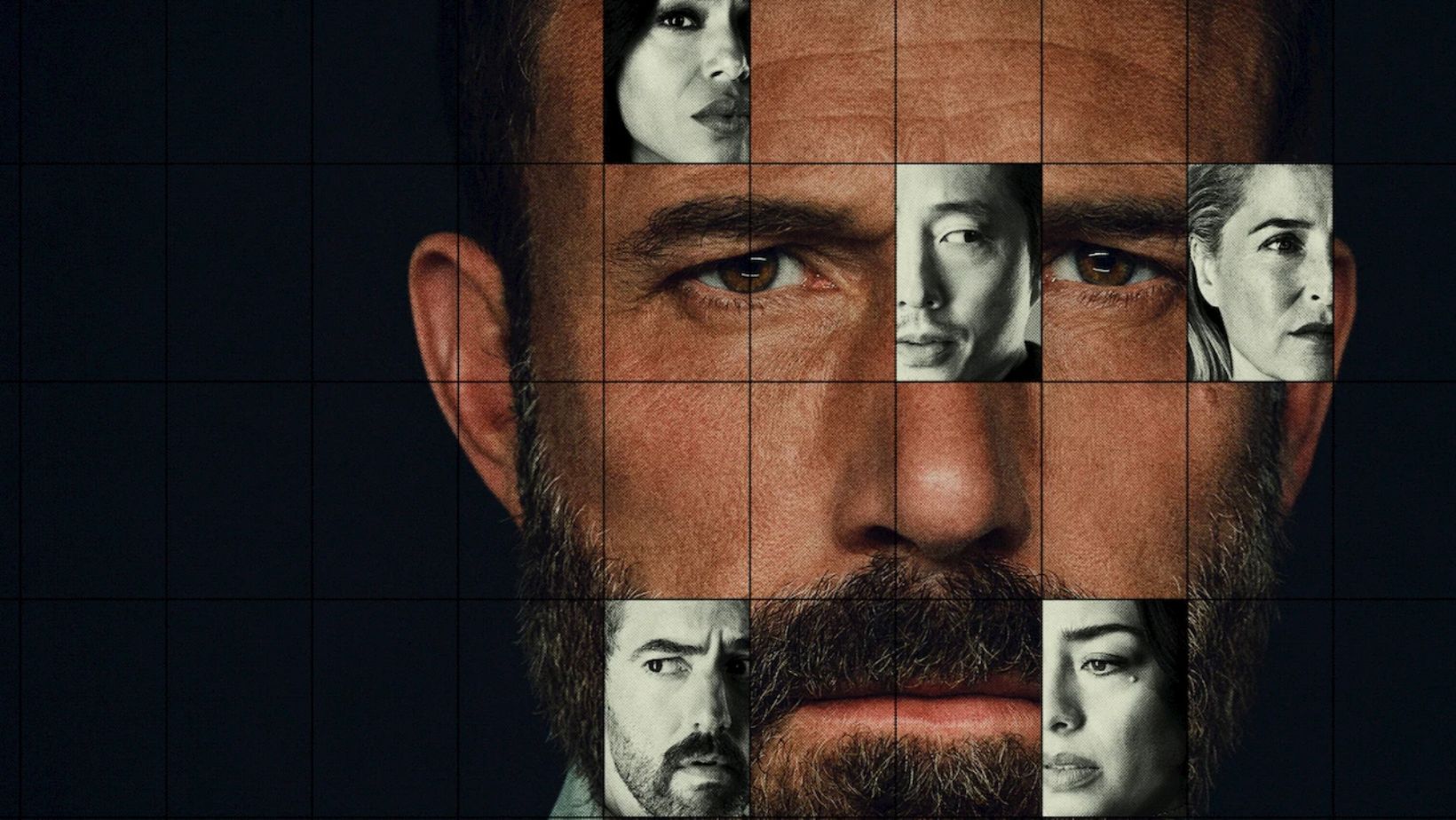
ICE Was Operating on His Filming Locations and the Script Was Playing Out in Real Life
The in-depth interview with Jorge Ramos took place against the broader backdrop of an ongoing, highly polarized national debate regarding U.S. immigration policy, enforcement strategies, and the tangible, disruptive impact of ICE operations on vulnerable communities across the nation. Affleck’s film arrives precisely at a cultural moment when the boundary dividing cinematic fiction from daily reality has narrowed to a razor-thin margin. The director detailed how the production days that had to be abruptly paused due to active ICE presence in Los Angeles ultimately sharpened his personal understanding of the film he was making. Instead of viewing those enforcement sweeps as merely inconvenient production delays or logistical headaches, he recognized them as stark reminders of why the story needed to exist in the first place.
Witnessing firsthand the exact kinds of systemic pressures and human anxieties scripted into his screenplay playing out in the surrounding neighborhoods gave the film a profound, lived-in depth. Affleck noted that no amount of standard pre-production research, script doctoring, or theoretical preparation could have ever manufactured that level of raw authenticity on its own. This unsettling proximity to real-world events heavily influenced how seriously the director took the responsibility of ensuring the immigrant characters were portrayed with absolute authenticity. This commitment is precisely why he made the deliberate creative choice to invite Mexican actors Adriana Paz and Luis Gerardo Méndez to take the pen and write their own dialogue, ensuring that the conversations on screen reflected genuine cultural cadence and lived experience rather than relying on external approximations.
He Said This Is a Country of Immigrants and His Family Proves It
Ben Affleck’s personal connection to the complex subject of immigration is far from incidental to the creation of the film; rather, it serves as the foundational reason why he chose to tell this specific story at this particular juncture in American history. He told Jorge Ramos unequivocally that his own people and his family are rooted in the immigrant experience, reinforcing his belief that the struggles and triumphs of the characters in "Animals" mirror the broader narrative of the United States. In Affleck’s view, America has always derived its core identity, cultural vitality, and resilience from the generations of people who arrived from foreign shores to build their lives, families, and futures within its borders.
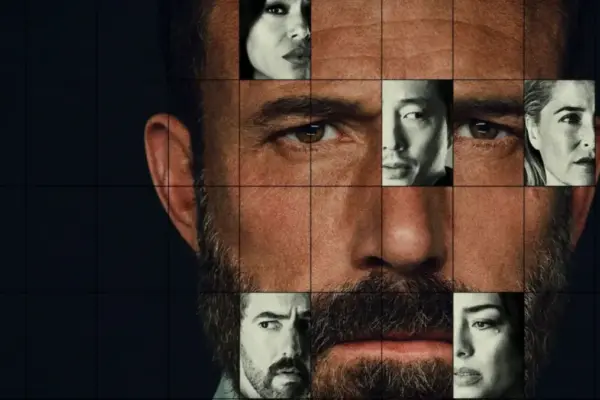
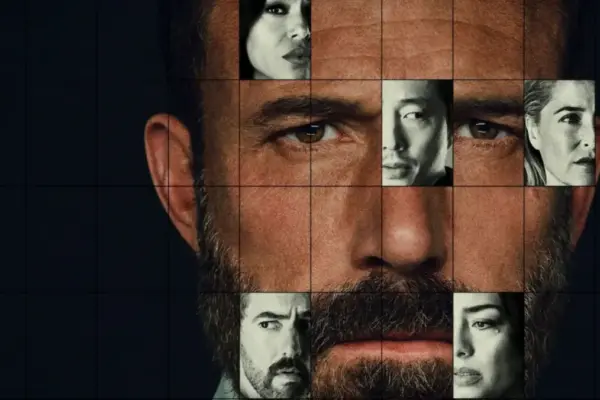
This deeply personal framing is further supported by the professional framework under which the film was brought to life. "Animals" boasts a high-profile ensemble cast featuring acclaimed actors such as Kerry Washington, Gillian Anderson, Steven Yeun, and Ray Fisher, alongside its talented Mexican leads. The project was produced in association with Artists Equity, the artist-driven studio Affleck co-founded alongside longtime collaborator Matt Damon. Affleck took on this ambitious project fully cognizant that it would step directly into a national conversation that is already deeply charged, politically volatile, and intensely personal for millions of viewers. "Animals" is currently available for streaming on Netflix.