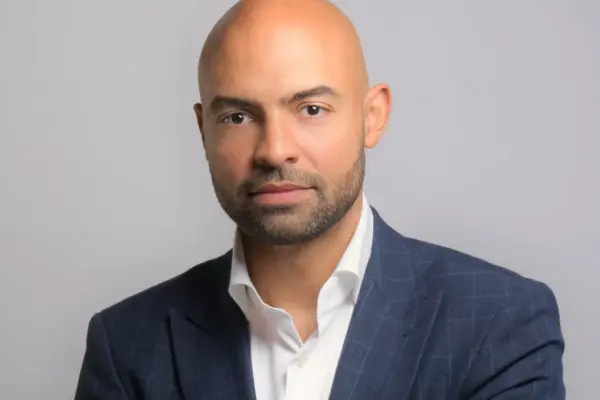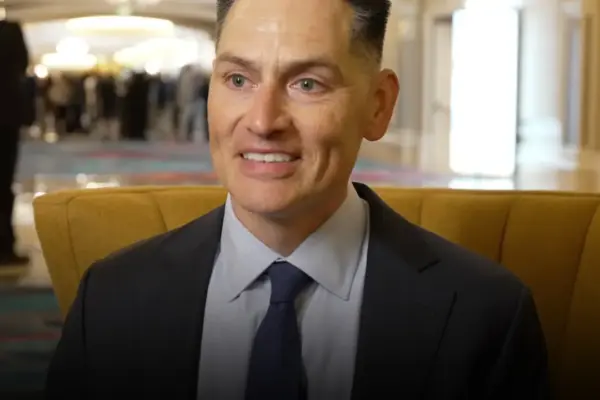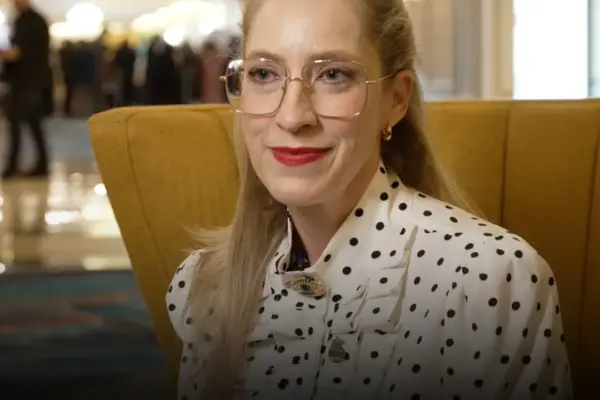




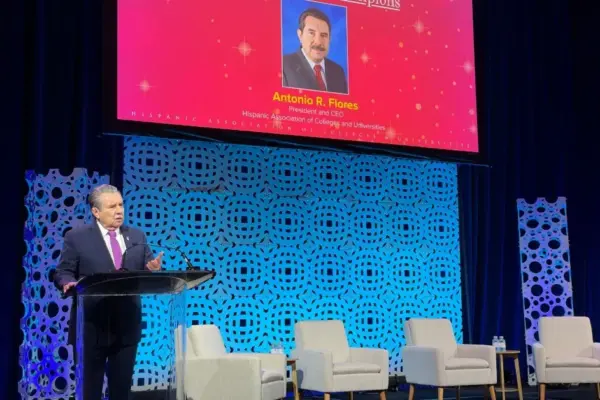



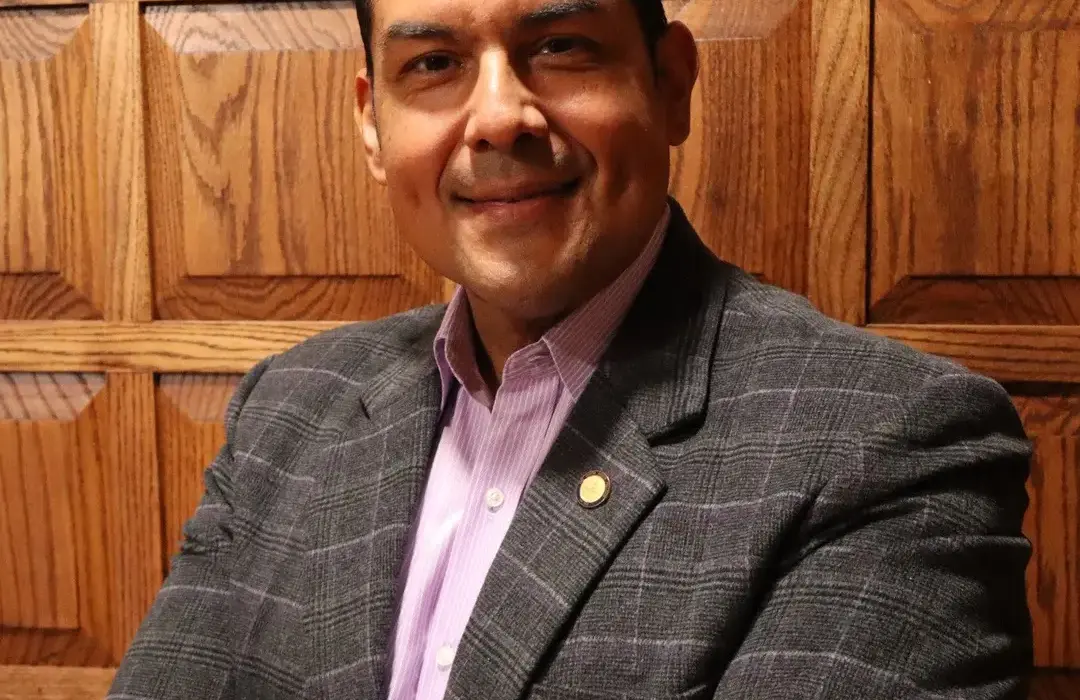
Over a remarkable 27-year military career that spanned from the rank of Army Private to Colonel, Francisco J. Leija accumulated combat service in Iraq and Afghanistan, earned the Legion of Merit, the Bronze Star, the Purple Heart, and the prestigious Ranger Tab, and even stepped into the halls of power as a 2014–15 White House Fellow. Yet, for all his milestones—including working at the Department of Homeland Security and delivering the White House’s Spanish-language Veterans Day message in 2014—Leija believes the most critical takeaway from his journey is not what he has personally accomplished, but rather what his trajectory signals is possible for the next generation.
Today, as an entrepreneur, senior advisor, board director, and leader, Leija is on a mission to broaden the Latino community’s understanding of military leadership. Through his work in corporate governance, higher education, and technology advisory, he aims to show young people that a military commission can serve as a catalyst, opening doors far beyond the armed forces while fulfilling a noble and essential role in American society.
Leija’s professional footprint extends far beyond his decades in uniform. Having taught at West Point and helped shape the Army’s approach to emerging technology through Army Futures Command, he transitioned smoothly into the civilian sector. In 2020, he founded Modern Phalanx Solutions, a firm through which he advises early-stage technology companies on strategy, organizational leadership, defense procurement, and emerging technologies, occasionally acting as an angel investor. His advisory work has touched international markets, spanning Formula 1 initiatives out of Italy, university projects out of Saudi Arabia, and robotics developments in Brazil, with Colombia also serving as a cornerstone of his international endeavors.
Furthermore, Leija’s influence reaches deep into academia and institutional governance. He serves as a trustee for Norwich University, Manhattanville University, the STARTedUP Foundation, and the Arnold P. Gold Foundation. In July 2025, he also joined Del Toro Global Associates to help clients navigate complex national security, geopolitical, and economic challenges, mitigate risk, and identify high-value business opportunities.
Despite these diverse achievements, Leija remains intensely focused on a singular message: shifting how military service is perceived, particularly within Latino communities.
"I’m not saying that everybody needs to serve in the military," Leija observes. "What I am saying is that if you serve and go back to corporate America, you’re going to think in a completely different capacity."
In many Latino households, professional success is traditionally recognized through established paths like medicine and law, but families do not always associate those high-level careers with the armed forces. Often, a community’s understanding of military service stems primarily from watching local neighbors enlist rather than recognizing the vast network of physicians, strategists, attorneys, technology specialists, and logistics experts who serve as commissioned officers. For Leija, that distinction is crucial.
He wants young people, particularly young Latinos considering college and evaluating their futures, to understand an option they might otherwise overlook. Serving as an officer provides deliberate professional development paths in organizational leadership, rigorous assessments, and decision-making under less-than-ideal circumstances. According to Leija, this background equips veterans with training that frequently places them in a league of their own in the civilian world. Becoming a commissioned officer can represent far more than an initial job; it can deliver advanced education, elite leadership experience, professional credentials, global exposure, high-level responsibility, mentorship, and a powerful professional network that compounds over decades.
To bridge this awareness gap, the former White House Fellow has taken matters into his own hands. Drawing from his unique experiences, he created an informal presentation aimed at middle school students. Rather than focusing strictly on military enlistment, the presentation walks students through the concrete steps they might take to become White House Fellows themselves, demystifying elite pathways and making the seemingly impossible appear attainable.
"If you don’t realize you’re in a race until the final lap, it’s too late," Leija explains. "You have to understand there is a race waiting for you."
By sharing these insights, Leija hopes to provide students and young professionals with enough early information to establish ambitious life goals before they commit to a specific path. It is a lesson he learned firsthand as he climbed the ranks of the Army, occasionally battling internal doubts about whether he truly fit in alongside his peers.
"Don’t disqualify yourself," Leija advises. "Understand the kind of life you can build for yourself, set goals, and then remain open to what life has in store for you."
Part of the urgency behind Leija’s advocacy stems from his observation that corporate America can sometimes struggle to fully comprehend or properly value the sophisticated skill sets that military veterans bring to the table. For much of his post-military life, those two worlds felt disconnected.
"I wasn’t exposed to the world of what I would call ‘professional Latinos’ until the last 18 months or so," Leija notes. Through engagement with organizations like the Latino Corporate Directors Association (LCDA) and AVANCE Global, he realized he had a unique platform to bridge that gap and open doors through his own lived experience. Whether attending a formal dinner, a high-level conference, or an intimate corporate meeting, he views it as his personal responsibility to demystify the transition from military colonel to industry expert.
Ultimately, Leija’s mission centers on self-discovery and empowerment. He believes that true professional and personal advancement begins when individuals gain a clear understanding of their own identity and capabilities.
"When you get a little bit of clarity about who you really are, some incredible things open up to you," Leija says. "In your life, that will help you know when you need to make a pivot or go in a different direction. That helps you validate and update your goals. And it will give you the confidence to go after those goals, and though you may not look like everyone around you, you slowly begin to understand you are enough and that you belong."