









Purple has never been a loud color in American life, but it has always carried profound meaning. In the military, "purple" is the established shorthand for jointness. When officers from the Army, Navy, Air Force, Marine Corps, Space Force, and Coast Guard serve together on a joint staff, they are said to hold a "purple" assignment. In these roles, their individual service colors blend into a single shade that belongs to everyone. A purple billet asks a soldier, a sailor, and an airman to set aside branch rivalries and focus entirely on one shared mission. The Purple Heart, the oldest American military decoration still actively awarded, carries a similar spirit. It honors sacrifice, not rank, political party, or pedigree.
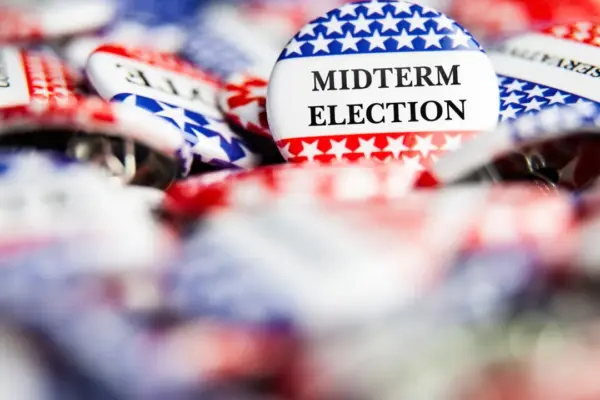
In the political arena, purple is what happens when red and blue mix. We traditionally use the term to describe swing states and competitive districts—places where elections are razor-thin and neither major party can afford to take voters for granted. Yet, purple can and should be much more than a mere label on an electoral map. It can represent a fundamental mindset: the belief that the people across the aisle are partners in governing, rather than enemies to be permanently defeated. As Americans head to the polls this election week, that collaborative mindset feels overdue.
A Place to Call Home
Nowhere is this "purple" style of thinking more urgently needed than in the ongoing search for a place to call home. Across the country, young families, veterans, teachers, nurses, and retirees all share the same foundational American dream: a front door with their own key in it. For far too many citizens, however, that dream has slipped steadily out of reach over recent years. Rents have climbed dramatically, starter homes have grown increasingly scarce, and the overall cost of living has risen persistently since the start of the decade.
Housing policy does not care whether a resident votes red or blue. A mounting rent check or a heavy monthly mortgage payment hits every household the exact same way. The economic realities of shelter are universal, cutting straight through ideological divides and impacting communities regardless of their political makeup.
Fortunately, there is tangible good news, and by its very nature, it is undeniably purple. This past June, Congress successfully sent a sweeping housing overhaul directly to the President’s desk, achieving a rare feat of overwhelming support from both major political parties. The legislation passed with a commanding 85 to 5 vote in the Senate and a similarly decisive 358 to 32 margin in the House of Representatives.
The ambitious measure is designed to cut through bureaucratic regulatory hurdles that slow down construction, allow federal community development dollars to directly build new affordable housing stock, and financially reward local communities that actually permit and construct new homes. Lawmakers who notoriously struggle to agree on almost anything found surprising common ground on this fundamental premise: America simply has not built enough housing, and fixing that supply shortage is a vital necessity that helps everyone.
What Beneficial Compromise Looks Like
In forging this historic legislative package, nobody got 100 percent of what they wanted. Each political side had to give a little so that millions of ordinary Americans could ultimately gain a lot. It is a process that lacks glamour, and it rarely trends on social media platforms, but it remains the bedrock method by which durable, lasting progress gets made in a democratic society.
The enduring lesson of purple—whether observed on a military joint staff or within the chambers of a statehouse—is that blending different identities does not mean losing oneself. A Marine serving on a joint staff remains proudly a Marine. A conservative who engages in legislative compromise remains a conservative, and a progressive who negotiates still holds their core values. They have simply made the conscious decision that the overarching mission matters far more than wearing a strict political jersey.
Therefore, whatever color badge or symbol a voter wears to the ballot box, they should look for a little bit of purple in the leaders they choose to support, as well as cultivating it within themselves. Citizens should ask political candidates not only what they plan to fight against, but what they intend to build, and crucially, with whom they plan to build it.
The American dream of homeownership was never meant to belong exclusively to one political party. It belongs to all of us collectively, and the only way our society will successfully reach it is by working together.
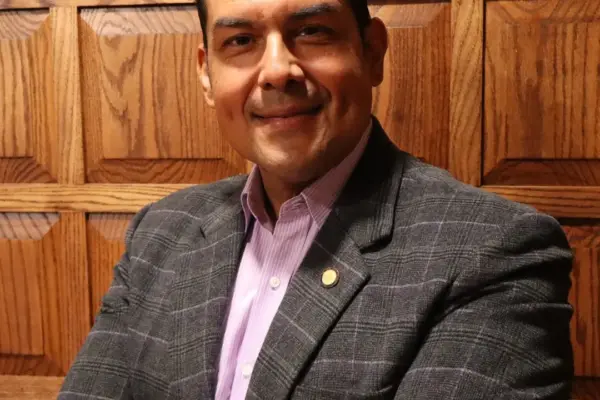
Sergio Barajas is the executive director of the National Hispanic Construction Alliance, where he leads the organization’s work to expand capacity building, access to capital, and business opportunities for Hispanic contractors and construction professionals. Over a 30-year career spanning housing development, construction, and financing, he has held prominent roles with the National Association of Hispanic Real Estate Professionals, Freddie Mac, the National Community Stabilization Trust, and the Los Angeles Housing Department. Based in San Diego, California, Barajas frequently writes about workforce development, advocacy, and the vital role of the Hispanic construction workforce in building a stronger, more equitable industry.