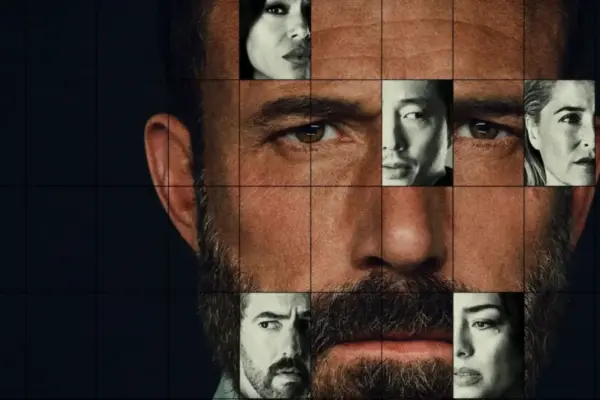


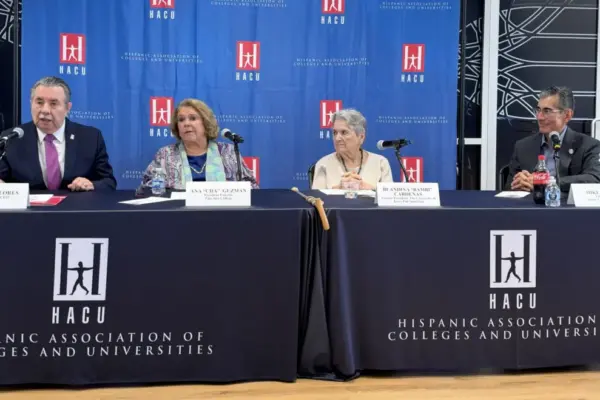








The final 72 hours leading up to the tragic murder of regional Mexican music icon Valentín Elizalde are placed under intense scrutiny in a new multi-part docuseries, The Killing of The Golden Rooster (Valentín: La muerte del Gallo de Oro), which premiered globally on HBO Max on Thursday.
Spanning three episodes, the documentary reconstructs the critical days leading to the singer’s assassination in the early hours of November 25, 2006, in the border city of Reynosa, Mexico. Directed by Ida Cuellar, the series explores Elizalde’s life, his rapid ascent in the music industry, his final moments, and the persistent theories and unresolved questions surrounding a high-profile case that shocked a nation two decades ago.
Esteban Vidal, executive producer for HBO Max, emphasized the enduring relevance of the project in an interview with Billboard Español. Two decades after the artist’s untimely death, Vidal noted that the production team felt it was a vital moment to revisit his story and address a pervasive issue that continues to affect the country: violence and impunity.
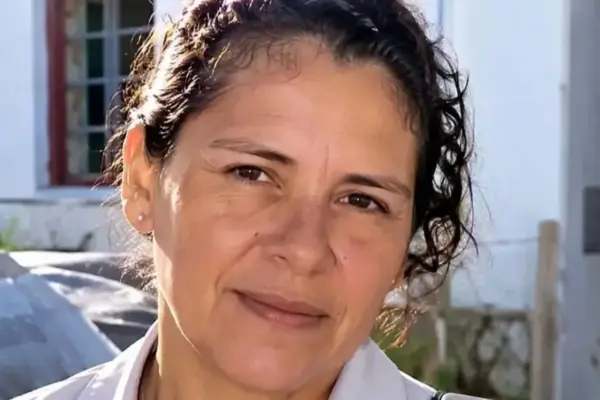
The docuseries meticulously examines various hypotheses surrounding the murder, including a forbidden romance, alleged ties to organized crime, and potential betrayal from within the singer’s inner circle. To provide a comprehensive view, the production features firsthand accounts from a diverse group of figures tied to Elizalde’s life and career. These include Fausto “Tano” Castro Elizalde, the singer’s cousin and the sole survivor of the attack; Gabriela Sabag, his ex-wife; Valentina Elizalde, his daughter; Alejandro Lira, a songwriter and close friend; Héctor López, his manager; and contemporary regional Mexican star Carín León.
Clarifying the artistic scope of the project, Alejandro Sugich, executive producer of Sula Entertainment, noted that the series is not a judicial investigation, but rather a documentary designed to incorporate multiple perspectives. Sugich shared that he maintained open communication with the late singer’s family throughout the production process, expressing hope that they would eventually view the series as a respectful and impartial tribute to the life and work of the artist affectionately known as the "Gallo de Oro." Sugich explained that while initial concerns may have existed regarding an outside perspective, the primary focus of the docuseries remains Valentín Elizalde and the broader issue of impunity in Mexico.

Ahead of the premiere, Valentina Elizalde released a statement on Instagram on behalf of her family, including the singer’s mother, Camila Valencia, stating that they chose not to comment on the program. Because they did not participate in its production or review its content beforehand, the family opted to withhold their opinions on the series.
Beyond reconstructing the events of the crime, The Killing of The Golden Rooster places Elizalde’s story within a broader social and historical framework, exploring the complex and often perilous relationship between regional Mexican music, violence, and organized crime. The murder of the Golden Rooster took place during one of the most volatile periods in northern Mexico, occurring just days before then-president Felipe Calderón launched a major anti-drug cartel offensive known as the "War on Drugs." Official figures cited by outlets such as The Washington Post indicate that the ensuing conflict has resulted in hundreds of thousands of deaths across the country over the years.
Sugich observed that the political and social landscape of 2006 uniquely and tragically intersected with Elizalde’s life.
Among the notable participants in the docuseries is Alejandro Lira, a close friend and co-writer of several of Elizalde’s most famous tracks, including the controversial corrido "A Mis Enemigos" (To My Enemies), which was at one point scrutinized and linked by authorities to a prominent drug cartel leader. For Lira, the documentary serves as a meaningful opportunity to highlight the deeply human side of the artist and introduce his extensive musical contributions to younger generations who may not have witnessed his rise firsthand.
Twenty years after his passing, Valentín Elizalde remains a monumental reference point and a powerful influence within the regional Mexican genre, with fans across multiple generations continuing to sing his timeless hits, such as "Así Que Te Vas," "La Tambora Va a Sonar," and "118 Balazos."
Born on February 1, 1979, in Navojoa, Mexico, Elizalde was only 27 years old at the time of his death. Despite the brevity of his professional career, his impact on Mexican music has been profound and enduring. Contemporary regional Mexican superstars such as Peso Pluma and Natanael Cano have openly cited Elizalde as a primary influence on their own artistic journeys. Reflecting on Elizalde’s lasting cultural footprint, Lira noted that artists who are currently shaping the genre today were just young children when the tragedy occurred, underscoring just how far ahead of his time the Golden Rooster truly was.