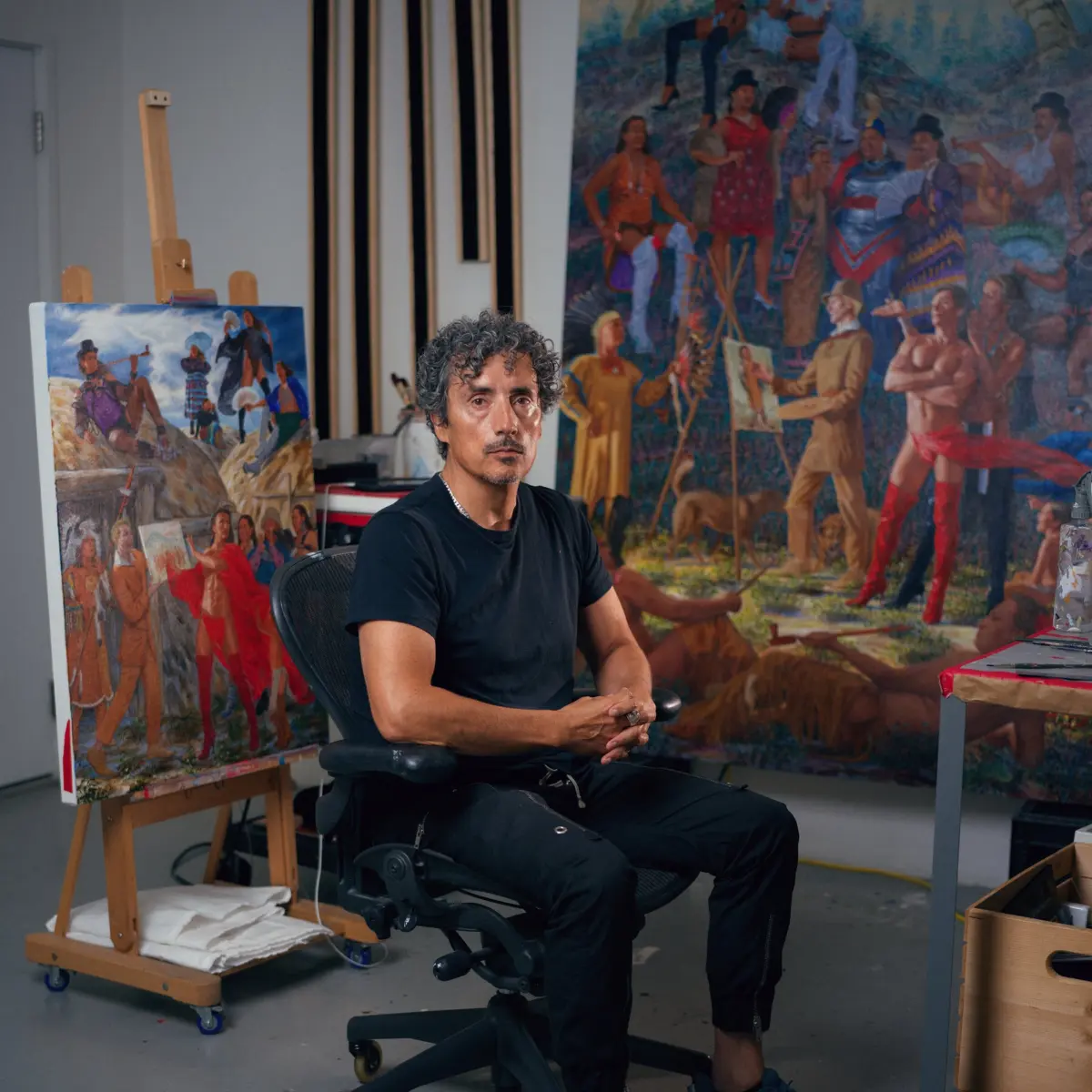





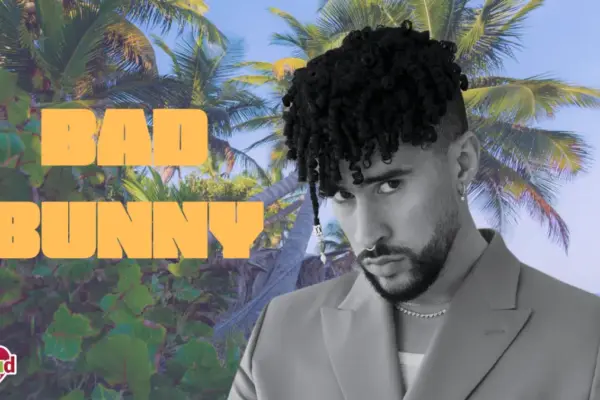





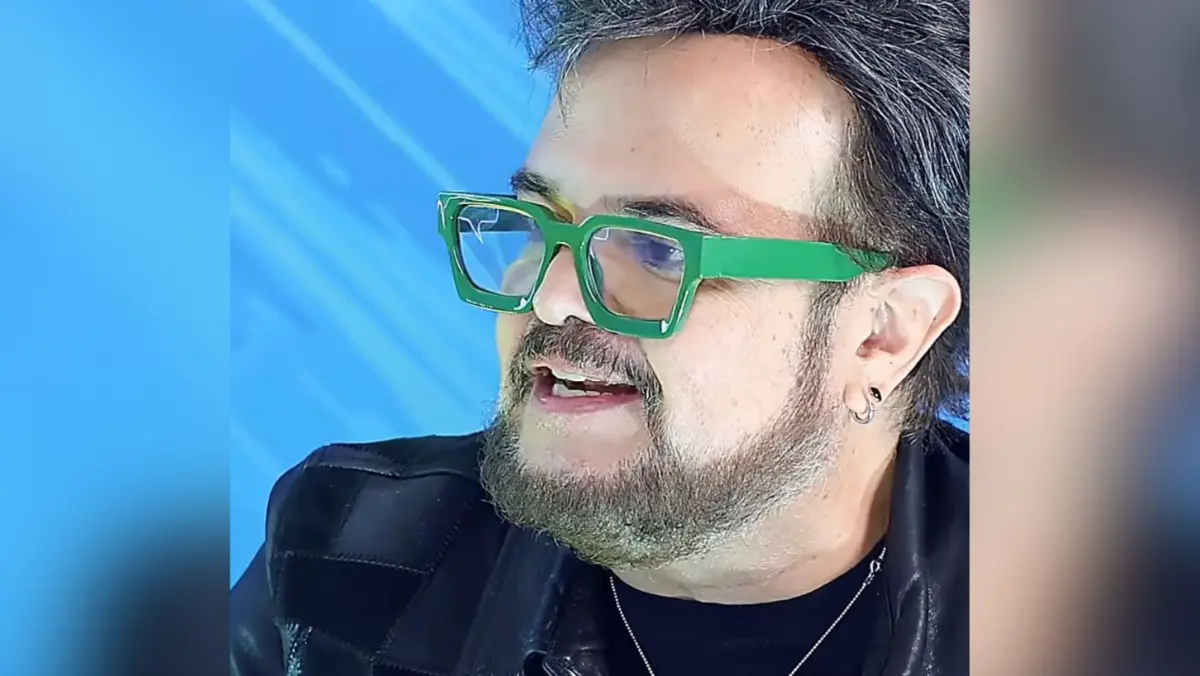
Mexican pop-rock singer Aleks Syntek has spent years locked in a deeply publicized war with the urban music landscape. However, his most recent public appearance during a performance in Mexico crossed a distinct line, moving far beyond artistic preference or genre debates. Instead of sticking to his usual critique of musical styles, Syntek opted to perform a mocking imitation of the Puerto Rican accent. During the same set, he complained openly that major international programs, such as The Tonight Show Starring Jimmy Fallon, consistently hand massive platforms to global superstars like Bad Bunny while brilliant Mexican artists remain overlooked by the mainstream industry.
To compound the mockery, Syntek referenced a specific comment that Bad Bunny had made in a recent interview concerning his post-concert habits, framing the anecdote in a way designed explicitly to diminish the reggaeton icon. Unsurprisingly, the Puerto Rican community and global urban music fans immediately took notice. The reaction across social media and digital platforms has been swift, fierce, and entirely predictable for anyone who decides that punching down at Bad Bunny is a viable career strategy in 2026.
For many observers, the central question remains: who does Syntek believe he is? Best known for his late 1990s and early 2000s nostalgic pop-rock hits like “Duele el Amor”—a beloved collaboration with Spanish singer Ana Torroja—and “Sexo, Pudor y Lágrimas,” Syntek has seen his commercial peak recede into the past. Over the last five years, he has generated far more headlines through a relentless stream of controversies than through his actual musical output. In fact, Syntek himself openly acknowledged this reality in a recent interview with the Spanish news agency EFE. He noted that the first three decades of his career were entirely free of scandal, whereas the last five years have been extraordinarily problematic. He attributed this turbulent shift to having enjoyed massive historical success while no longer maintaining the status of a trendy, contemporary artist.
The Complaining Has Been Going on for Years
Syntek’s grievances against modern popular music follow a rigid and predictable pattern. He routinely argues that the modern digital algorithm heavily favors content creators who produce music he considers vulgar, ephemeral, and lacking in structural integrity. Furthermore, he contends that Mexican artists possessing genuine instrumental and lyrical talent are continually bypassed in favor of reggaeton, trap, and corridos tumbados. According to Syntek, the global music industry is rapidly losing its true idols because modern streaming platforms and social media algorithms heavily reward rapid consumption and commercial speed over patient craftsmanship and artistic dedication.
While these arguments can occasionally form the basis of thoughtful, nuanced conversations when voiced by industry analysts or serious cultural critics, Syntek consistently undermines his own arguments. Instead of focusing on structural critiques of the global music business, he routinely turns his complaints into vicious personal attacks directed at specific artists and distinct national communities. Mocking the regional Puerto Rican accent on a live stage is not a sophisticated commentary on algorithmic bias; it is an overt display of cultural contempt. It has nothing to do with whether a particular style of music is built to last decades or just a single season.
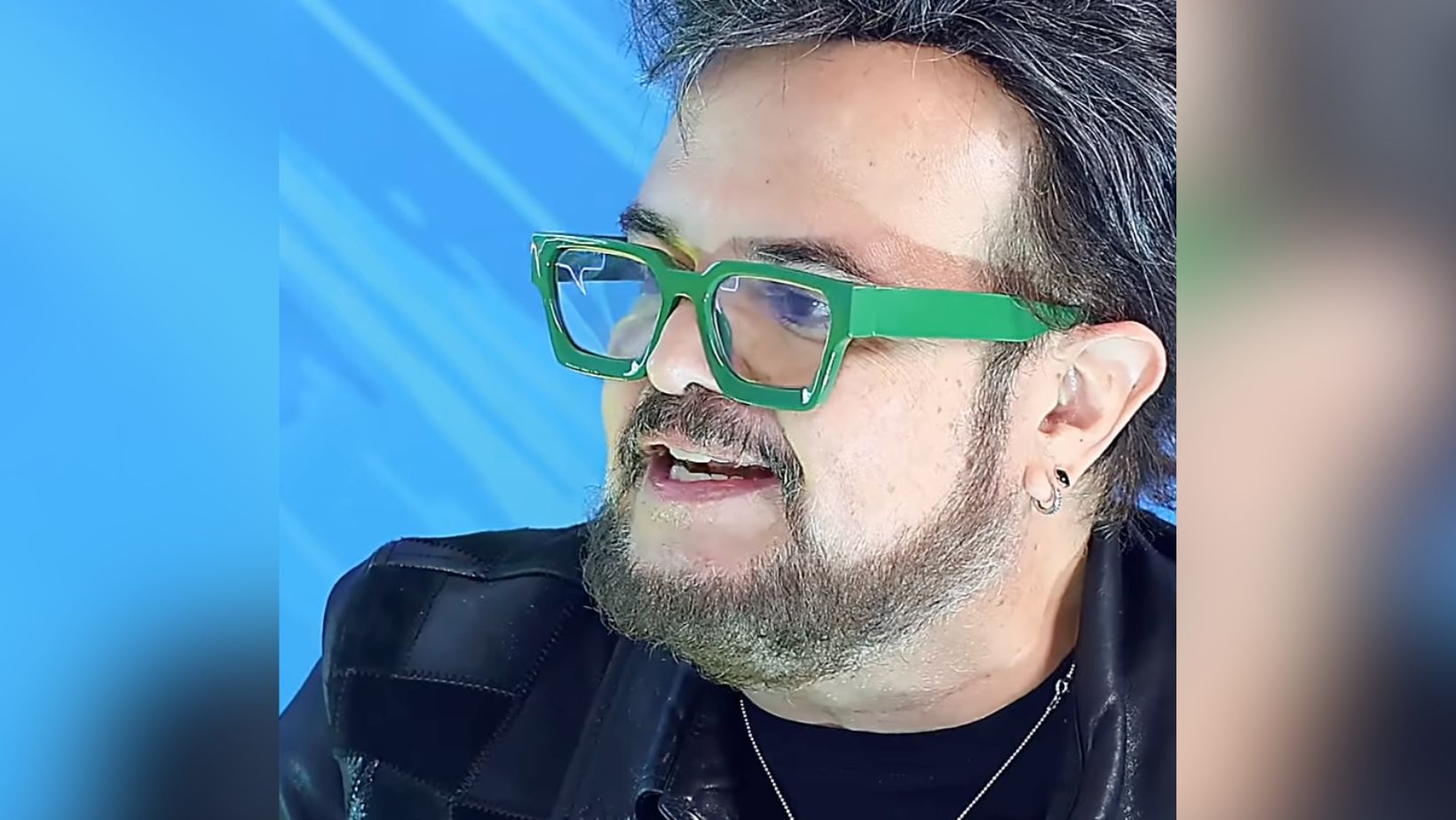
In his interview with EFE, Syntek also asserted that within Mexico, the proliferation of music glorifying explicit sexual acts, drug use, or criminal behavior has become a cheap shortcut for attracting mass audiences. He argued that this trend is actively ruining the country’s rich musical culture from within. While this remains a valid and heavily debated cultural conversation within Latin America, Syntek continually undermines his own premise by obsessively targeting Bad Bunny by name. His fixation on the Puerto Rican artist—whose historic global success clearly unsettles him—feels deeply personal rather than philosophical. A legacy artist who has spent years complaining about the dominance of reggaeton while Bad Bunny sells out massive stadiums across the globe and commands historic audiences, such as during his Super Bowl halftime acclaim, simply lacks the professional credibility to lecture the public on what music deserves to exist.
Nobody Asked Syntek to Retire but He Needs to Look in the Mirror
Beneath the provocative headlines, the bitter rants, and the social media firestorms, Syntek is undeniably grappling with a genuine and painful professional frustration. He candidly shared with EFE that the modern entertainment industry has created an exhausting environment where an artist can reach forty years of age and already face a cultural push toward premature retirement. He compared his current professional predicament to legendary international acts like Alan Parsons and Tears for Fears—artists who continue to write, record, and release new music, yet rarely surface on modern top-ten streaming charts because changing algorithmic frameworks no longer serve them.
Syntek’s observation that this commercial shift represents a broader loss for veteran artistry is not entirely wrong. In fact, his professional ambitions remain active, evidenced by his upcoming studio album, Zen, set for release in May, alongside a twelve-city United States tour scheduled to kick off on April 3rd in New York City. These milestones demonstrate that he is still an active creator with genuine artistic ambitions and stories left to tell.
The core tragedy of his current trajectory, however, is that he repeatedly undermines his own creative ambitions by choosing to behave like a grievance-driven provocateur. By deciding that tearing down younger, highly successful artists is the fastest shortcut back to the headlines, he alienates potential audiences. Nobody within the Puerto Rican community asked Aleks Syntek to weigh in on their accent or their cultural icons, and nobody within the contemporary music industry owes him a platform that he has failed to earn in the current cultural moment.
Bad Bunny did not take anything away from Aleks Syntek, nor did the streaming algorithms rob him of his glory days. Rather, Syntek’s own tireless cycle of complaining, public mockery, and grievance-airing has damaged his standing more than any external force ever could. The sooner he recognizes that reality, the sooner he might reclaim a space where his actual music becomes worth listening to once again.