










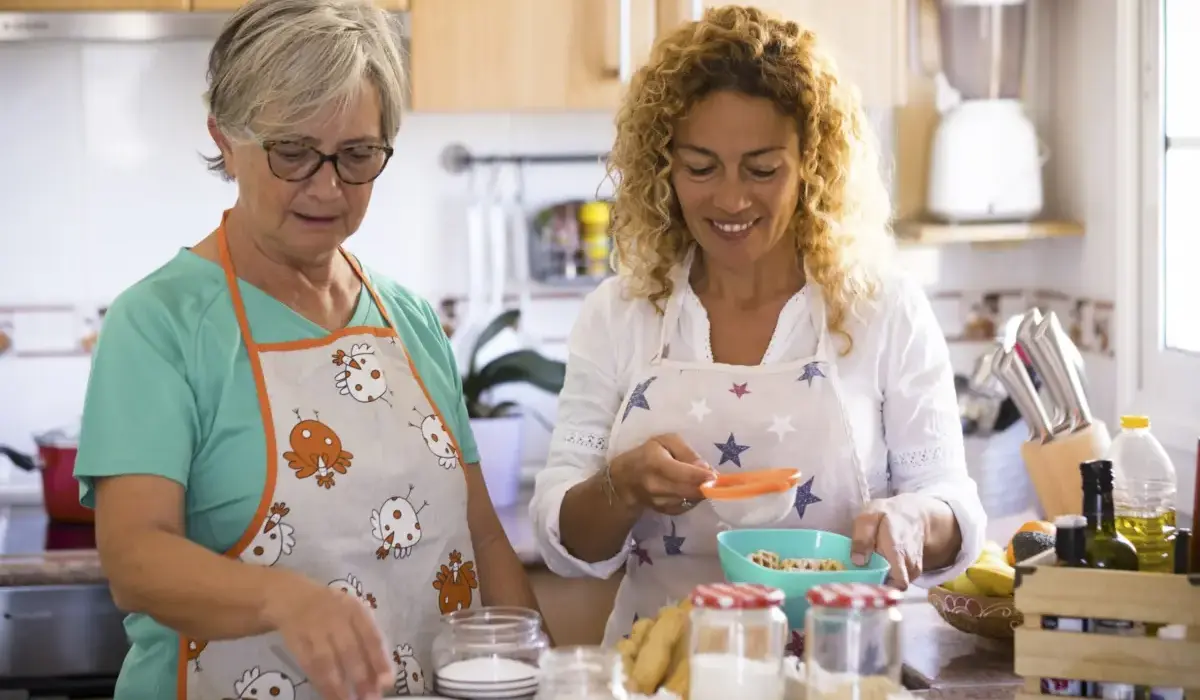
For generations, the heart of the home has extended far beyond the living room and deep into the kitchen, serving as a sanctuary where stories unfold, laughter fills the air, and the enduring wisdom of elders lives on in every dish. Across Latin American households, food functions as an essential bridge between generations, connecting families to their profound cultural roots while simultaneously allowing them to forge new, meaningful traditions. Following a year marked by various challenges, communities everywhere are finding themselves collectively eager to embrace cozy holiday celebrations, gathering for Nochebuena and Christmas alongside the people they cherish most.
The anticipation surrounding these festive winter holidays often centers on the sharing of time-honored comfort foods and beloved childhood favorites. These dishes serve as a powerful reminder of what truly matters during the festive season: togetherness, shared meals, and the familiar, grounding flavors that instantly evoke a sense of home. As families prepare to welcome loved ones back to the table, certain nostalgic recipes stand out for their ability to evoke deep emotional resonance, effortlessly recreated using everyday kitchen essentials and specialized tools available through modern retail platforms like Amazon.
Abuela’s Caldo de Pollo
Nothing quite compares to a traditional bowl of caldo de pollo, prepared precisely the way grandmothers used to make it during the colder winter months. This welcoming starter possesses a unique capacity to warm hearts, offering unmatched comfort through a steaming bowl of chicken soup slowly simmered alongside fresh vegetables and aromatic seasonings. Across many cultures, chicken soup remains a universal remedy passed down through generations—a Latina mother’s go-to solution whether a family member is battling a seasonal cold, nursing a heartbreak, or simply recovering from a long and exhausting day.
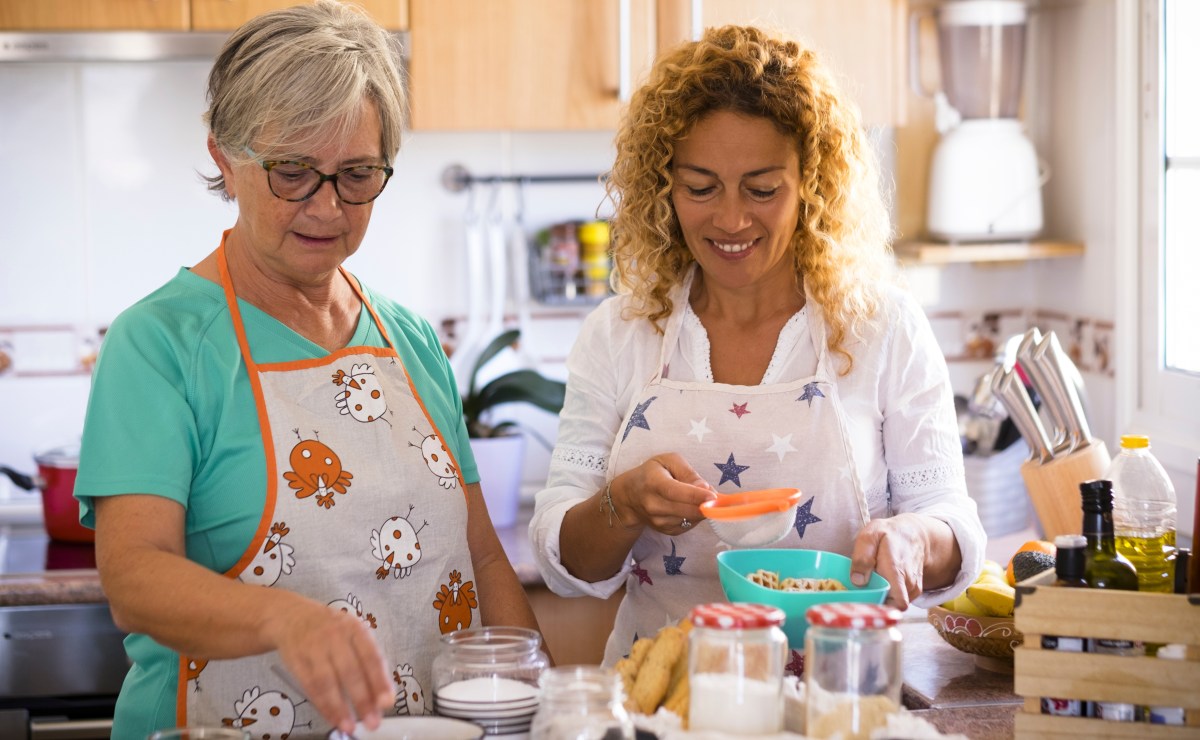
Home cooks often recreate this restorative dish using skinless chicken thighs, carrots, potatoes, corn, and butternut squash. Enhancing the traditional flavor profile involves a careful sprinkle of fresh cilantro, oregano, and parsley, alongside sea salt and a distinctive secret ingredient: a medium Japanese sweet potato designed to introduce a naturally sweet fragrance to the broth. The preparation process remains remarkably straightforward, relying on gathering fresh ingredients, chopping vegetables, and cooking everything together in boiling water infused with seasonings.
The ultimate success of the dish relies heavily on precise timing. Cooks bring water to a boil, introduce the firmest ingredients first, and subsequently reduce the heat to medium. Once those foundational components begin to soften, more delicate ingredients are incorporated to allow their distinct flavors to meld together harmoniously. Culinary experts note that utilizing a heavy cast-iron Dutch oven can significantly elevate the final result of a traditional caldo de pollo, as cast iron distributes heat evenly throughout the cooking process, creating the ideal simmering environment for the broth to develop depth.
Serving the soup in traditional ceramic soup bowls helps retain heat longer, while providing practical oven- and microwave-safe durability for busy holiday hosts. For an extra special touch, some home cooks place a slice of bread topped with cheese under the broiler for a few minutes before submerging it into the broth. Shiny stainless-steel soup spoons complete a presentation that balances simplicity with sophistication, proving that comfort food at its finest requires no unnecessary complication to be deeply satisfying. These meals remain healing and heartwarming, serving to nourish both the body and soul during the demanding holiday season.

Empanadas for Sharing
As a pan-Latin American culinary staple, empanadas showcase incredible versatility, with individual countries and distinct regions proudly claiming their own unique variations. In many childhood homes, the communal preparation and baking of empanadas historically functioned as a collaborative group effort. From rolling out the dough and filling it with savory meat or cheese to carefully crimping the edges, nearly everyone in the household sought a role in the process. This dynamic transformed meal preparation into an interactive team-building experience that brought the entire kitchen to life.
For many individuals, cherished memories involve standing on a bench near the kitchen counter as children, sneaking small pieces of seasoned meat while learning traditional folding techniques, such as the signature flower-shaped fold, from their mothers. Because meat fillings were historically regarded as a special treat, families frequently exercised creativity by incorporating alternative ingredients such as cheese, corn, spinach, and tuna. Consequently, empanadas have earned a reputation as some of the most convivial foods available, possessing an innate ability to bring diverse groups of people together regardless of the specific filling chosen.
Achieving the ideal batch for a large gathering often involves utilizing commercial-grade aluminum baking pans, which conduct heat evenly to ensure consistent baking results across every pastry. To facilitate easy, casual snacking during festive gatherings, hosts frequently serve these baked goods on lightweight bamboo plates accompanied by holiday-themed paper napkins. This relaxed approach allows guests to stand, chat, and move freely about the room while enjoying a food that never fails to foster a profound sense of shared celebration and togetherness.

Arroz con Leche
For the grand finale of many traditional holiday meals, families turn to a warm, creamy, and lightly sweet arroz con leche—often enhanced with a rich swirl of dulce de leche and delicately spiced with cinnamon, precisely the way Abuela Norma prepared it. This classic rice pudding stands out as a dessert that has profoundly shaped childhood memories for countless individuals. The mere prospect of visiting a grandmother’s home and discovering a freshly prepared batch of rice pudding has historically been a source of pure, unadulterated joy.
Today, many people find it difficult to imagine a more fitting conclusion to a major family gathering, such as Nochebuena or Christmas, than a bowl of this rich and comforting dessert. Its distinctive aroma and taste successfully capture the profound sense of home and cultural heritage that many Latinx individuals continuously long for, especially when living far from their places of origin. While individual families invariably add their own distinct touches—such as lemon or orange zest, raisins, or a generous splash of condensed milk—the foundational components remain wonderfully accessible pantry staples: rice, milk, and sugar. Furthermore, these simple ingredients stretch remarkably far, making it easy to produce a generous batch capable of satisfying a large group of holiday guests.
According to traditional culinary wisdom passed down through generations, the ultimate secret to a successful rice pudding lies in patience and constant attention. Allowing the rice to cook low and slow ensures that the texture reaches the precise point of perfection. Navigating the process requires achieving a delicate consistency that is neither excessively thick nor overly runny, all while vigilantly preventing the milk from scorching on the bottom of the pot.

Modern home cooks often utilize specialized nonstick cookware and durable wooden spoons to streamline the process, while selecting specific short-grain rice varieties like Arborio or Calrose. These particular rice types release significantly higher amounts of starch during cooking, which, when combined with whole milk or alternative options such as lactose-free milk, creates the signature velvety texture expected from a traditional dessert. Rinsing the rice thoroughly before combining it with milk and sugar, and continually monitoring the simmering liquid over a span of thirty to fifty minutes, transforms the cooking process into a deliberate, meditative ritual.
Ultimately, these enduring culinary traditions demonstrate that food consistently functions as far more than mere physical nourishment. Across generations and holiday seasons, traditional dishes embody family memories, cultural preservation, and interpersonal connection. By gathering together around the dining table, passing around shared plates, and carrying forward the recipes passed down by older generations, families continue to celebrate the simple yet profound acts that keep communities united through every season of life.