


When Guillermo "Memo" Ochoa first arrived at Club América more than twenty-five years ago, he stepped onto the pitch as a young forward with his entire professional career ahead of him. Life, however, would eventually redirect his trajectory toward the opposite end of the field. Through extraordinary athleticism, relentless resilience, and an unwavering mental fortitude, Ochoa carved out a definitive place in sports history, rising to become, arguably, the most important Mexican goalkeeper of all time.
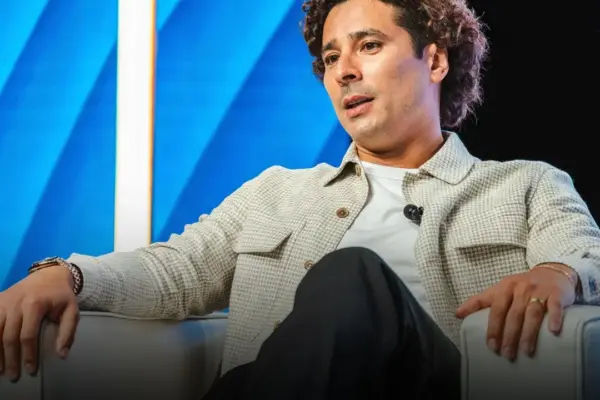
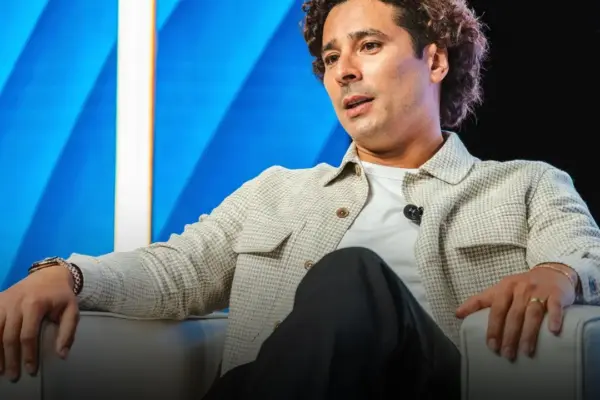
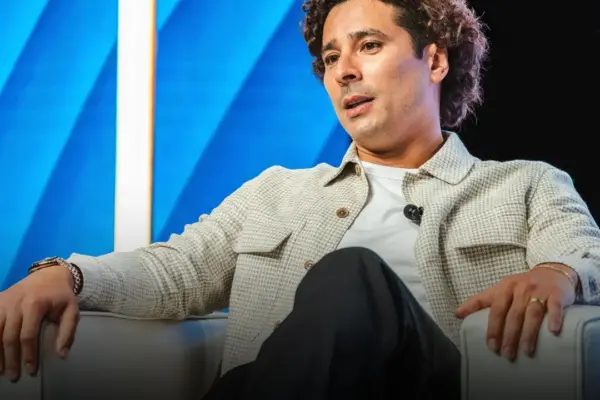
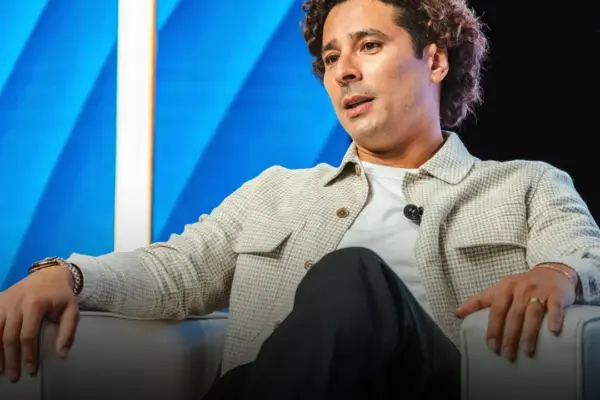
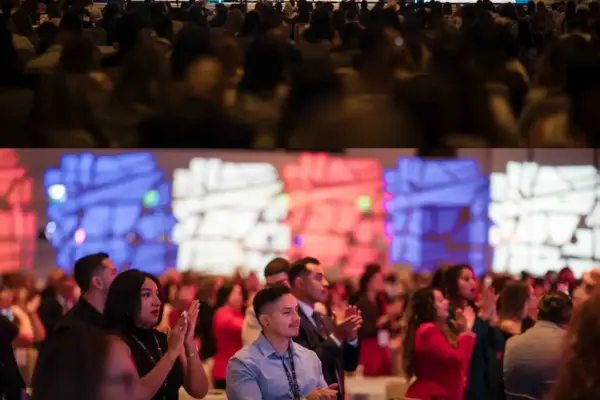
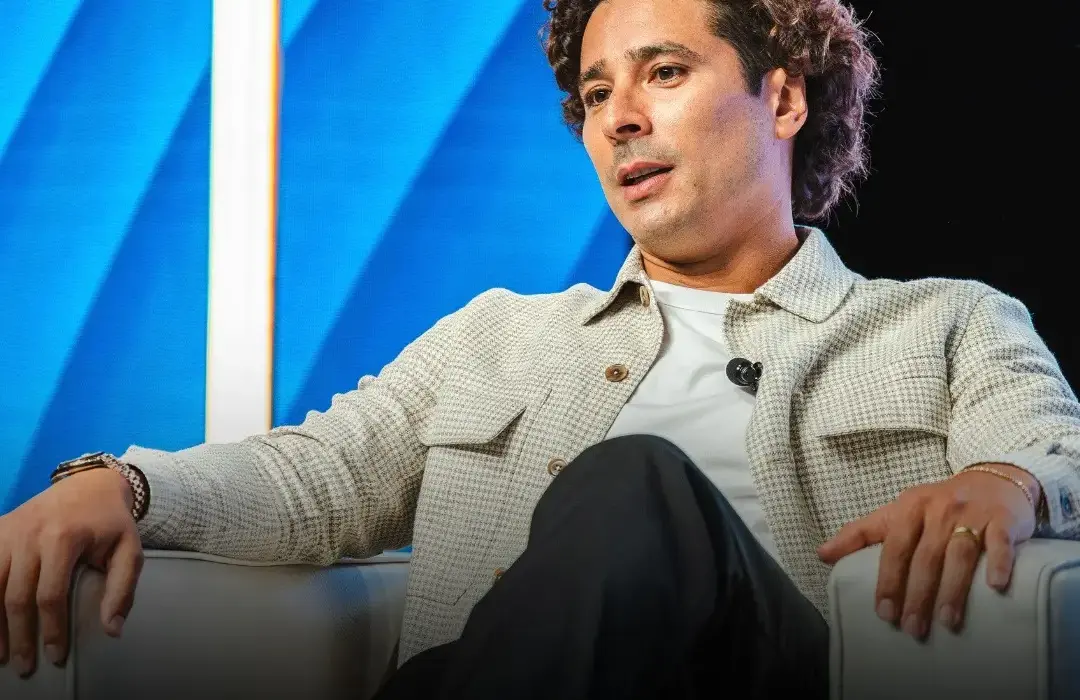
Following a whirlwind summer that marked his historic participation in his sixth and final World Cup—a particularly poignant milestone experienced in front of his home crowd at the historic Estadio Azteca—Ochoa sat down for an exclusive conversation with The Latino Majority at AVANCE Global 2026 in Las Vegas. The extensive interview captured a legendary athlete standing at the crossroads of an illustrious athletic career and a purposeful, forward-looking future.
For more than two decades, the immense pressure of standing between the goalposts taught Ochoa hard-earned lessons about failure and triumph. In the unforgiving world of professional soccer, the role of a goalkeeper leaves little room for error. A single miscalculation can mean the difference between victory and defeat, turning a player from a hero into a scapegoat in a matter of seconds. Yet, reflecting on the psychological weight of his position, Ochoa notes that mistakes are not only inevitable within the sport, but fundamentally necessary for personal and professional growth.
"You have to learn from mistakes, learn to live with them, and get back up the next day," Ochoa reflects, offering insight into the mindset that sustained him through elite international competition. "You start from zero. As the years go by, you learn how to let them go and not carry that weight with you."
That capacity to reset and move forward allowed Ochoa to withstand the intense scrutiny of representing the Mexican national team on the world’s biggest stages, from European leagues to successive World Cup tournaments. Throughout his journey, soccer and the Latino community in the United States have shared a deeply intertwined relationship. For millions of fans living across the United States, wearing a jersey—whether representing Club América, Chivas, Cruz Azul, or the Mexican national colors—serves as a vital anchor to their cultural identity, heritage, and nostalgia.
That same community has served as a cornerstone of Ochoa’s professional journey, offering unwavering support through every triumph and setback across multiple continents. As he contemplates the final chapters of his active playing career, the veteran goalkeeper feels a profound sense of responsibility to give back to the faithful supporters who have stood by him for decades.
"Now, as I reach the end of my career, I’ve tried, and will continue trying, to give some of that affection back by helping, finding ways to be closer to them, and seeing how we can support communities here in the United States," Ochoa explains.
Yet, life for a professional athlete inevitably extends far beyond the pitch. The roar of a packed stadium eventually fades, and the reality of post-athletic life takes center stage. Whether celebrated as the hero who secured an improbable clean sheet or criticized after a difficult match, an athlete must eventually confront what remains when the final whistle blows. For Ochoa, preparing for that inevitable transition has been a deliberate, long-term process. Rather than waiting for retirement to dictate his next steps, he has spent years laying the groundwork for a robust entrepreneurial portfolio.
Transitioning into the business world represents a new kind of game for the veteran star—one played entirely without a soccer ball, yet demanding the same strategic focus and dedication that defined his decades on the field. Among his current entrepreneurial ventures is One Sport, an ambitious initiative designed to bridge the gap between athletic passion and community development, starting on the field but expanding far beyond traditional sports entertainment.
Ochoa’s motivation behind One Sport stems from a keen observation of the glaring disparities within youth sports infrastructure. While immense financial investment and media attention are routinely funneled into professional soccer leagues, an entirely different reality exists underneath the surface—one populated by countless talented children who play with passion but lack visibility, resources, or a structured pathway toward professional opportunities.
"So much attention goes to professional soccer, but underneath it there is a huge community of kids who play and sometimes don’t have the opportunity to be seen," Ochoa notes. "They don’t have a clear path if they want to become professionals someday."
Crucially, however, Ochoa’s definition of success through One Sport extends far beyond the traditional goal of scouting or producing the next generation of professional soccer stars. He recognizes that the pyramid of elite sports is narrow, and the vast majority of young participants will ultimately pursue careers outside of athletics. For Ochoa, the true value of youth sports programs lies in their ability to instill discipline, keep vulnerable youth engaged, and provide foundational life skills.
"Everyone wants to go pro. Not everyone will," Ochoa observes thoughtfully. "Pero if you help a kid who might otherwise be out on the street […] or help them get on a path toward a serious job, well, that’s already a success story."
This pragmatic yet deeply compassionate perspective highlights the evolution of Memo Ochoa in this new chapter of his life. He approaches the future with a distinct sense of reflection, maturity, and profound gratitude. Athletic records, as he well knows, are transient by nature; someday in the future, another talented Mexican goalkeeper will inevitably emerge to surpass his milestones, potentially playing in seven World Cups rather than six, or securing historic victories across Europe’s most prestigious club competitions.
Rather than clinging to numerical records, Ochoa’s focus is firmly set on a much more enduring objective: his legacy as a human being. Just as he once worked tirelessly to protect his team’s goal, he is now dedicating his energy to safeguarding opportunities for the next generation.
"The same thing I did as a player: leave a legacy," Ochoa concludes, summarizing his vision for the future. "Now, as a person, I want to leave a legacy through sports, something that, someday, people can remember me for: as someone who helped through sports, who tried to improve society and the community—or at least tried to."
Diego Rubalcava is Head of Creative Operations at Hispanic Executive, bringing more than a decade of cross-media experience across Mexico and the United States. His background spans television, journalism, digital media, video, and creative storytelling, both in front of and behind the camera. He brings an editorial and creative lens to stories about culture, leadership, and the ideas shaping Latino communities today.