









Tokyo’s culinary landscape is defined by an uncompromising pursuit of perfection. Known locally as shokunin, master artisans and chefs focus on a single skill to the point of obsession, dedicating their lives to the minutest details of their cuisine. Whether it is calculating the optimal temperature for frying tempura oil, achieving the precise texture for sushi rice, or securing the ideal sear on grilled unagi, this lifelong commitment sets Tokyo apart from other major dining capitals in the world.
This deep dedication has fostered remarkable continuity within the city’s restaurant scene. Some of Tokyo’s earliest establishments continue to serve traditional items like sushi, tempura, unagi, soba, and sukiyaki alongside modern interpretations. While the metropolis is infamous for a handful of highly exclusive establishments that are practically impossible to access without a personal introduction from a regular, ordinary visitors will find more than enough extraordinary options to explore across the sprawling urban landscape.

The comprehensive city dining guide undergoes quarterly updates to ensure it accurately reflects Tokyo’s ever-evolving food scene. Curated with insider insights from experienced writers and editors, the selections span a wide spectrum of pricing categories. Options range from budget-friendly spots designated by a single dollar sign for quick, inexpensive meals with dishes largely under $10, up to ultra-luxury destinations marked by four dollar signs where entrees routinely exceed $30.
The October updates introduce several notable additions to the metropolis. A tea master at Chokeikyo now offers traditional, modern, and cocktail-infused tea options. A newly established handroll sushi bar reaches remarkable heights through legendary nori sourced directly from the revered historical shop Yamamoto Noriten. At the esteemed restaurant Sèzanne, a new chef has seamlessly stepped into the kitchen while maintaining its brilliant standards. Finally, yet another top-tier pizza venue has arrived at the Bulgari Bar, adding to a metropolis already spoiled with exceptional pizzerias.

Koffee Mameya Kakeru
Operating during the daytime within the $$ price range, this spacious warehouse serves as a sophisticated sister shop to the original boutique in Omotesando. The cafe specializes in curated coffee flights, featuring selections such as a pour-over, an espresso, a latte, and one or more mocktails designed to showcase distinct flavor expressions from the exact same bean. Guests can also order items a la carte, including spiked coffee cocktails offered in the evening. The interior features a sleek design with contrasting wooden chairs set against a U-shaped limestone counter, while knowledgeable staff dressed in white lab coats and bowties provide friendly and precise service. Reservations are strictly required before visiting.
Tanikoretani
Positioned in the Kiyosumi Shirakawa neighborhood and open exclusively for dinner within the $$$ price range, Tanikoretani was established by former New York City architect Shinji Mizutani alongside his brother, Tomoji. Vegetables take center stage at this contemporary izakaya, featuring standout plates such as mizu nasu eggplant sashimi, mountain vegetable tempura, and wafu ratatouille. The menu also balances these with classic, sake-friendly dishes including seasonal sashimi, karaage fried chicken, and potato salad. Diners seeking the complete experience can opt for the omakase, leaving the menu entirely up to the brothers. The restaurant makes an ideal stop for an early dinner following a late afternoon stroll through Kiyosumi Teien, a nearby traditional Tokyo garden.

Yamariki
Dating back an impressive century, Yamariki in Morishita operates as a traditional shinise restaurant open for dinner in the $$ price range. Its signature dish is nikomi offal stew, simmered meticulously in Hatcho miso, zarame sugar, red wine, and a bouquet garni, widely recognized as one of the top three variations of nikomi in Tokyo. The menu also highlights a colorful array of vegetable plates, ranging from tsukemono pickles and rainbow crudite with miso dipping sauce to a hearty salad featuring an anchovy dressing, alongside seasonal offerings like spring mountain vegetable tempura. Beverage options include sake, beer, shochu, and a curated short list of wines. Guests should note that Yamariki is equally renowned for its yakiton, featuring grilled pork skewers highlighting cuts like tongue, heart, liver, stomach, and harami skirt steak.
Tsukishima Monja Street
Open for both lunch and dinner within the $$ price range, Tsukishima Monja Street is lined with dozens of shops dedicated to monjayaki, a local culinary specialty similar to Osaka’s okonomiyaki. The dining format remains interactive across nearly every venue, where guests select fillings like mentaiko, mochi, and cheese, and cook the mixture themselves using a large iron plate integrated directly into each table alongside a tiny spatula. Spreading the mixture thin and allowing it to crisp properly creates the ideal texture, with staff readily available to assist first-time diners. Accompanied by an ice-cold mug of beer, the meal offers a distinctly lively and festive atmosphere, particularly at night when the street closes to vehicle traffic for pedestrians.

Taimeiken
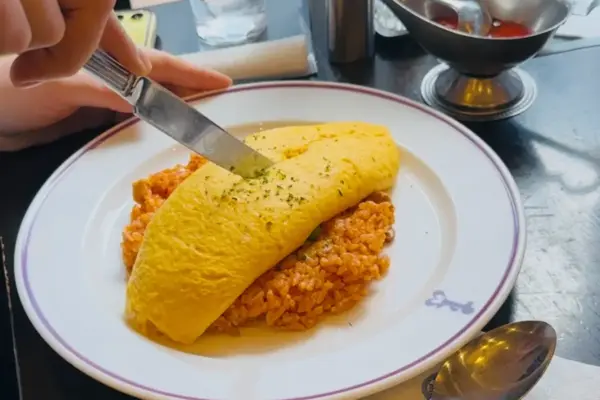
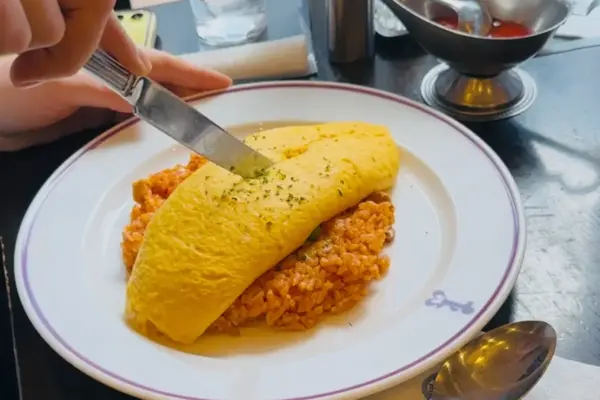
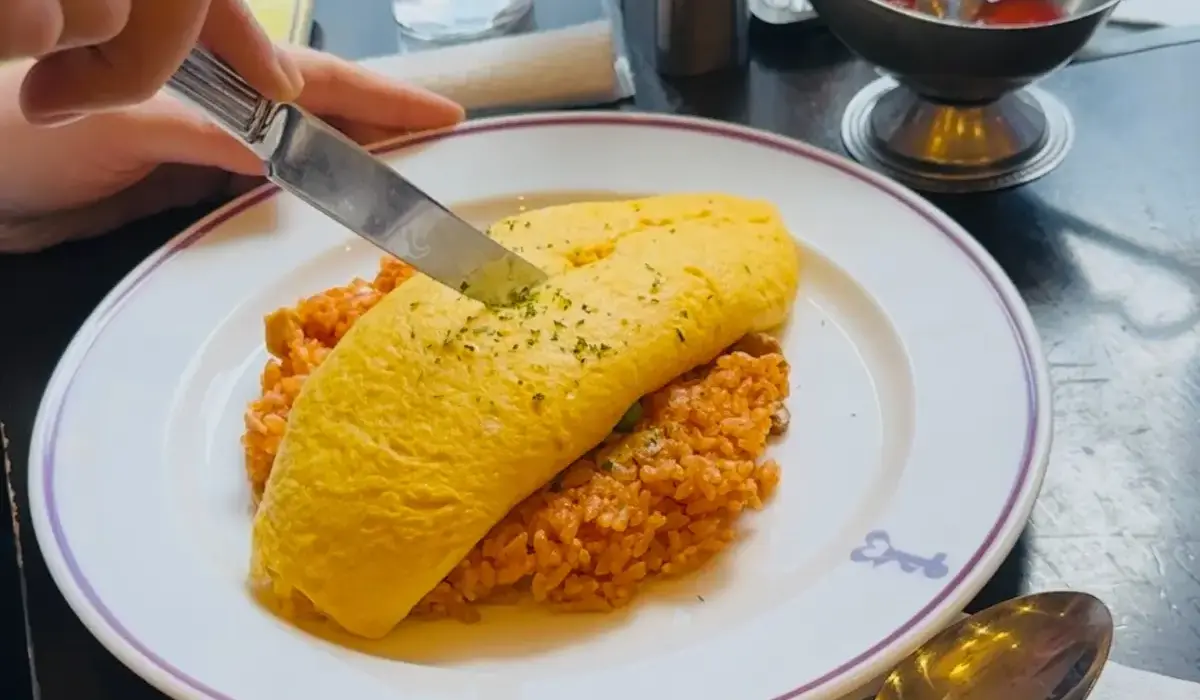
Operating for both lunch and dinner in the $$ price range within the historic Nihonbashi district near Tokyo Station, Taimeiken offers a direct culinary connection to Japanese cinematic history. In Juzo Itami’s classic film Tampopo, a memorable scene depicts a cook preparing omurice—a soft omelet draped over ketchup-stained rice—which was originally developed specifically for the movie by this establishment. Third-generation chef Hiroshi Modegi currently helms the kitchen, serving iconic yoshoku dishes, which are Western culinary items adapted thoughtfully to the Japanese palate, alongside items like katsu. The ground floor operates on a walk-in basis and draws heavy crowds, while the second floor offers a more formal, reservation-only dining environment. Diners on the ground floor during lunchtime can order small portions of borscht soup and coleslaw for a nominal fee.
Yamamoto Noriten
Operating for lunch in the $$ price range, the historical nori specialty shop Yamamoto Noriten, in business since 1849, has introduced a specialized counter for temaki DIY hand rolls. Iron Chef Kimio Nonaga has curated a selection of a dozen premium fillings, including tuna sashimi, soy sauce-marinated egg yolk, grilled eel, and caviar. Nori is presented in a wooden box and warmed tableside over a small brick of roasting charcoal, allowing diners to assemble their hand rolls fresh at the casual counter tucked behind a large noren curtain within the retail storefront.

Il Ristorante – Niko Romito
Situated on the 40th floor of the Bvlgari Hotel Tokyo and open for both lunch and dinner in the $$$ price range, Il Ristorante – Niko Romito features a long dining room decorated in carnelian orange with vaulted ceilings. Chef Mauro Aloisio crafts modern Italian dishes utilizing seasonal seafood such as amberjack sashimi, steamed and sakura-smoked kue longtooth grouper, and wagyu beef tongue braised until tender beneath a vibrant beetroot sauce. Because the restaurant is housed within a hotel, it remains open throughout the year, including holidays. For a shorter dining experience, guests can visit the Bulgari Bar on the 45th floor to enjoy artisanal pizza crafted by Pier Daniel Seu alongside bespoke cocktails.
Sèzanne
Located within the Four Seasons Hotel Tokyo at Marunouchi and open for lunch and dinner in the $$$$ price range, Sèzanne operates under the direction of chef Steve Lancaster. Drawing on years of experience working with Japanese seafood during his time in Singapore, Lancaster incorporates local ingredients like glass shrimp, uni, monkfish liver, and scallops into his French-inspired tasting menus. Many preparations utilize fermentation and foundational Japanese pantry staples such as mirin, soy sauce, and koji. The dining experience is further elevated by the sommelier’s thoughtful beverage pairings featuring fine wines and unique sakes, including a sweet kijoshu. Guests should note that the kitchen does not accommodate dietary substitution requests for allergies, making advance communication essential during reservation booking.

Ekibenya Matsuri
Located inside Tokyo Station and open all day within the $$ price range, Ekibenya Matsuri captures the quintessential Japanese railway tradition of enjoying a bento box while traveling on a shinkansen bullet train. The shop stocks approximately 170 regional ekiben varieties sourced from across Japan, offering options topped with sashimi, wagyu beef, yakitori skewers, and even a gyutan beef tongue bento equipped with a self-heating pull-string mechanism for a hot meal on the go. The shop opens early at 5:30 a.m. to accommodate early morning travelers.
Shabusen
Offering both lunch and dinner in the $$ price range, Shabusen provides a streamlined and accessible format for enjoying premium sukiyaki and shabu-shabu. Diners sit at a casual counter where each person receives an individual hot pot to cook thinly sliced marbled wagyu beef or pork alongside fresh vegetables. The cooked ingredients are then dipped into nutty sesame sauce, tart ponzu, or raw egg in the case of sukiyaki. The interior design and traditional noren curtains also appeal to admirers of mingei, or Japanese traditional folk crafts.

Torigin Honten
Sandwiched between buildings on a narrow pedestrian alley in the heart of Ginza, Torigin Honten is open for lunch and dinner in the $$ price range. The kitchen specializes in yakitori and kamameshi, individual portions of rice cooked with ingredients like ground chicken, bamboo shoots, salmon, shrimp, or sansai mountain vegetables inside small personal pots. Skewers of chicken and vegetables are grilled over Kishu bincho charcoal. When lines become too long, diners can utilize the nearby sister restaurant, New Torigin, across the alley as a reliable alternative.
Est
Set within the Four Seasons Hotel Tokyo at Otemachi and open for lunch and dinner in the $$$$ price range, the Michelin-starred Est showcases contemporary French cuisine under chef Guillaume Bracaval, who sources 95 percent of his ingredients locally. Tasting menus feature creative items such as monkfish with house-made yuzu kosho, kombu-cured flounder, corn flan gazpacho, and pickled zucchini paired with tomato paste and nasturtiums. The beverage program highlights unique Japanese wine selections alongside sake pairings, concluding with sweets crafted by pastry chef Michele Abbatemarco that incorporate regional Japanese honeys.

Kagari Ramen
Operating for lunch and dinner in the $ price range, Kagari specializes in tori paitan, a rich and comforting creamy chicken broth that clings to thin, straight ramen noodles. Seasonal vegetables such as watermelon radish, snap peas, and kabocha squash rotate as toppings throughout the year. Diners can customize the umami-rich broth using side portions of grated ginger, fried garlic, and counter-mounted vinegar. While the main Ginza location sits on a quiet pedestrian alley, the Roppongi Hills sister branch tends to experience lighter crowds.
Bar Meijiu
Operating during evening hours in the $$ price range, Bar Meijiu combines music and mixology through the work of bartender Keisuke Matsumoto. After a brief discussion regarding flavor preferences and desired moods—ranging from fruity and sparkling to caffeinated options brewed from house-roasted beans—Matsumoto crafts bespoke cocktails from a compact workspace at the center of the room. The venue also offers a thoughtful non-alcoholic menu while playing selections primarily drawn from a extensive jazz record collection.

Azabudai Hills
Opened in the heart of the city in 2023, the Azabudai Hills residential and retail complex houses more than 100 food shops, restaurants, and the TeamLab Borderless museum, operating throughout the day within the $$ price range. Standout culinary destinations include the two-Michelin-starred Florilège and a second location of Sushi Saito, offering easier access than the notoriously competitive original reservation list. Additional options range from Arabica Kyoto for coffee and Kawamura for tonkatsu to Pelican Café for ham katsu sandos, Sembikiya for parfaits, Shogun Burger for wagyu burgers, and Sobamae Yamato for soba and small plates.
Tenko
Located on the quiet backstreets of Kagurazaka inside a former geisha teahouse, Tenko is open for lunch and dinner within the $$$$ price range. Second-generation chef Hitoshi Arai specializes in delicate, lacy tempura featuring seasonal vegetables and seafood harvested from Tokyo Bay. Each piece is served immediately after emerging from the hot oil, with recommendations to enjoy certain items with salt rather than dipping sauce to preserve the crisp exterior texture.

Ishikawa
Situated in the atmospheric former geisha district of Kagurazaka and open for dinner alongside Saturday lunch within the $$$$ price range, Ishikawa offers an extended, multi-course kaiseki dining experience. Chef Hideki Ishikawa’s meticulous culinary execution, premium ingredient selection, and hospitable service have earned the restaurant three Michelin stars and international acclaim. The dining experience engages both the palate and the visual senses, utilizing fine tableware reflecting the chef’s background in the tableware industry.
Sumibiyakiniku Nakahara
Open for dinner in the $$$$ price range, Sumibiyakiniku Nakahara features tabletop charcoal burners where guests grill premium wagyu selections sourced by owner Kentaro Nakahara. Alongside a seven-item yakiniku tasting menu, the restaurant is known for its beef prosciutto, tartare, and a legendary grilled tongue that requires advance reservation. The dining room maintains a notably clean, chic, and smoke-free environment compared to traditional yakiniku venues.

Kikunoi Akasaka
Open for lunch and dinner in the $$$ price range, Kikunoi Akasaka brings traditional Kyoto kaiseki cuisine to Tokyo. Because Tokyo water differs from the softer water of Kyoto, chef Yoshihiro Murata ships water directly from the ancient capital to ensure the dashi soup stock achieves absolute perfection. Set within a tranquil and secluded environment, the restaurant offers hyper-seasonal tasting menus served on exquisite dishware, with lunch options provided at a more accessible price point than dinner.
Toraya
Operating during daytime hours in the $$ price range, the flagship Akasaka location of the historical confectionery shop Toraya serves traditional wagashi sweets that have been supplied to the Imperial court since the early 16th century. Designed by architect Hiroshi Naito, the building houses a cafe, retail shop, and museum. Because wagashi reflects the fleeting changes of the seasons, the menu updates monthly, offering seasonal items such as matcha, apricot, and sake-infused shaved ice during summer. The basement gallery presents rotating historical exhibitions.

Sougo
Located in the Roppongi district and open for lunch and dinner in the $$$ price range, Sougo serves modern shojin ryori, traditional vegetarian Buddhist cuisine tailored to a contemporary, international clientele. Chef Daisuke Nomura incorporates a wide variety of land and sea vegetables alongside classical ingredients like wheat gluten and soy milk skin. The restaurant also hosts cooking classes through Tokyo Cook on-site, with signature dishes including fried or grilled sesame tofu prepared to a silky texture.
Bricolage Bread & Co.
Operating all day in the $$ price range, Bricolage brings together culinary contributions from prominent chefs, including soups and salads by chef Shinobu Namae of L’Effervescence, sourdough and pastries by baker Ayumu Iwanaga, and coffee by Kenji Kojima of Fuglen. The menu features tartines and sandwiches served on vintage tableware, complemented by rare outdoor seating in Tokyo and a takeaway outpost at Shibuya Station’s Tokyu Food Show.

Sushi Yuu
Located in a quiet residential area near the Roppongi district and open for dinner in the $$$$ price range, Sushi Yuu is led by second-generation chef Daisuke Shimazaki, who serves traditional Edomae sushi. The dining atmosphere remains welcoming and relaxed, with the chef communicating fluently in English, Russian, and Italian alongside Japanese. Meals begin with seasonal small plates before transitioning to a parade of nigiri, with a particular emphasis on premium tuna sourced from top vendors at Toyosu Market.
Eureka
Specializing in Japanese sake under the guidance of sommelier Marie Chiba, Eureka is open for dinner in the $$$ price range. The beverage program features renowned labels such as Senkin, Aramasa, and Raifuku, served alongside inventive small plates like smoked jammy eggs with squid ink mayonnaise, blue cheese ham katsu, and crab cream croquettes. Chiba provides expert pairing recommendations and gently warms specific sakes to highlight distinct flavor profiles across the limited dozen counter seats and standing spaces.

Narisawa
Operating for lunch and dinner in the $$$$ price range, chef Yoshihiro Narisawa combines classical training under legendary European chefs with a deep understanding of Japanese ingredients. His namesake restaurant delivers innovative dishes such as soil soup and Okinawan sea snake broth alongside langoustine and wagyu beef, earning two Michelin stars and recognition on international restaurant rankings.
Butagumi
Set within a romantic, 60-year-old freestanding traditional two-story house, Butagumi serves tonkatsu—breaded and deep-fried pork cutlets—for lunch and dinner in the $$$ price range. Diners select from dozens of regional heirloom pork breeds from across Japan, fried to a golden-brown finish and served with shredded cabbage and house-made Worcestershire-style sauce. A secondary branch operates within the Roppongi Hills complex.

Julia
Open for lunch and dinner in the $$$ price range, Aoyama-based Julia is led by chef Nao Motohashi and her sommelier husband, Ken. Guests begin with appetizers in a first-floor lounge before moving upstairs to an open-kitchen dining room. The vegetable-forward menu features inventive plates such as pickled tomatoes in rose and hibiscus sauce, scallops with butterbur, and duck with bitter spring mountain vegetables, accompanied by an extensive non-alcoholic beverage program featuring house-made preparations.
Yakitori Imai
Open for dinner in the $$$ price range, grillmaster Takashi Imai’s contemporary yakitoriya features counter seating overlooking a spacious open kitchen. In addition to expert chicken skewers, the menu offers premium proteins like French pigeon and a robust selection of grilled vegetables prepared over a secondary charcoal grill, complemented by a substantial natural wine list.

Den
Following its relocation to a new address, Den operates for dinner in the $$$ price range under chef Zaiyu Hasegawa. The new layout allows the chef to interact directly with diners and adjust service accordingly. The kitchen continues to reinterpret the formal kaiseki tradition with playful and innovative touches, featuring signature items like the popular Dentucky Fried Chicken and welcoming front-of-house hospitality.
Pizza Marumo
Open for lunch and dinner in the $$ price range, Pizza Marumo features pies crafted by chef Yuki Motokura, who defines his style as Tokyo-style rather than Neapolitan or Roman. The charred crust yields a chewy texture reminiscent of freshly grilled mochi rice cakes. Alongside classic options, the menu includes Japanese-inspired variations incorporating umami-rich ingredients like katsuobushi flakes, shaved kombu, shiitake mushrooms, and soy-marinated tofu. Reservations are recommended through the restaurant’s website.

Tofu Shokudo
Specializing in fresh, house-made tofu, Tofu Shokudo operates for lunch and dinner in the $ price range as a bustling, cafeteria-style destination. Set meals feature options like spicy Korean-style soy milk soup with soft oboro tofu and pork, alongside comprehensive set menus showcasing multiple soybean preparations. A takeaway window offers items such as okara doughnut pastries, fresh and fried tofu, and silky yuba.
Tamawarai
Operating for lunch and dinner in the $$$ price range, Tamawarai handcrafts every batch of soba noodles from scratch using buckwheat flour, a portion of which is cultivated by the restaurant itself. Alongside exceptional handmade noodles, the kitchen prepares careful side dishes such as soba miso and creamy yuba. Because reservations are not accepted, guests frequently queue for up to an hour.

Isetan Shinjuku
Located on the basement level of the Shinjuku department store, the depachiku food hall at Isetan operates all day within the $$ price range. The space gathers traditional Japanese wagashi confections alongside European patisseries operated by renowned international chefs like Sadaharu Aoki, Jean-Paul Hévin, and Pierre Hermé, offering visitors an opportunity to assemble bento boxes to enjoy in the building’s rooftop garden.
L’ambre
Operating since 1950 near Shinjuku Station, L’ambre offers a nostalgic kissaten cafe experience in the $ price range. Featuring high ceilings, red velvet seating, and classical background music, the menu includes retro items such as pizza toast, tuna and egg sandos, coffee jelly topped with vanilla ice cream and whipped cream, and bright green melon soda floats.

Katsuo Shokudo
Operating for breakfast and lunch in the $ price range, Katsuo Shokudo centers around freshly shaved katsuobushi, the smoked and dried skipjack tuna flakes that form the umami foundation of Japanese cuisine. Diners seated around a C-shaped counter watch as owner Mai Nagamatsu shaves the dried fish à la minute to crown bowls of rice and accompany set meals featuring bonito across every component. Advance reservations via the restaurant’s website help bypass the daily queues.
Tea Bar Chokeikyo
Open for afternoon tea in the $$ price range in Daikanyama, Tea Bar Chokeikyo elevates traditional tea preparation. Offerings include umami-rich gyokuro steeped multiple times—concluding with fresh peach slices—and spices ground and warmed in a Turkish ibrik over hot sand before being whisked into matcha. Evening hours feature tea-based cocktails such as hojicha mojitos and white tea shiso gin fizzes.

Udatsu Sushi
Open for lunch and dinner in the $$$$ price range, Udatsu Sushi is a high-end sushiya that accommodates vegetarian diners through a dedicated multi-course menu created by chef Hisashi Udatsu, who incorporates simmered kombu dashi and various preparation techniques into vegetable sushi. The seafood menu features notable selections such as dual preparations of uni over fried nori and a signature futomaki roll containing five varieties of tuna alongside traditional Edomae items like kohada gizzard shad.
The Peak Lounge and Bar
Positioned 41 floors above the city within the Park Hyatt Tokyo, The Peak Lounge and Bar serves afternoon tea in the $$$ price range. The seasonal menu presents savory bites like seared yellowtail, snow crab, and smoked duck, followed by whimsical pastries and a tableside dessert trolley featuring madeleines and canelés. A wide selection of British and Japanese teas, hojicha lattes, and matcha lattes accompany panoramic views from the glass atrium.