



Growing up in the diverse suburban landscape of New Jersey, the intricate tapestry of a Dominican household was often woven around the soft, familiar glow of a television screen. For many first-generation children of immigrants, Spanish-language broadcast media served as an essential anchor, connecting them to a culture and a country of origin they may have only known through stories, phone calls, and brief summer visits. Long before the era of algorithms, on-demand streaming platforms, and personalized social media feeds, television was a communal hearth. It brought Latin America and the Caribbean directly into American living rooms, bridging the profound geographical and cultural divide between the world parents left behind and the one their children were navigating every single day.
When recalling childhood memories of growing up Dominican in the Garden State, the most enduring recollections are rarely the monumental milestones. Instead, they are the sensory-rich, everyday moments: the television humming in the corner of the room while dinner preparations filled the kitchen with the aroma of sofrito, garlic, and fried plantains. The rhythmic cadence of Spanish spoken through the speakers competed with the steady clatter of pots and pans, overlapping family conversations, and the occasional spirited debate over which channel deserved the evening’s attention. More often than not, the household remote was locked in a familiar tug-of-war between Univision and Telemundo, two networks that served as virtual lifelines for millions of Latino families across the United States.
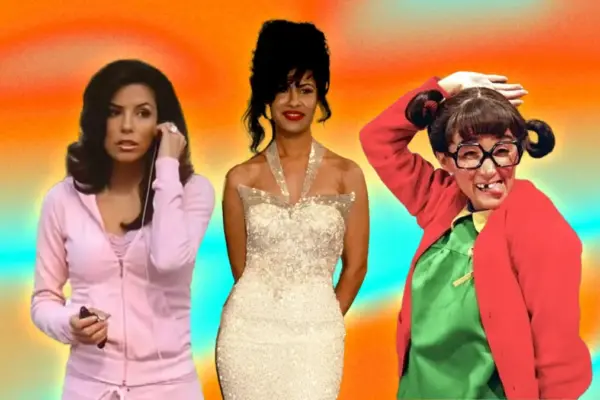
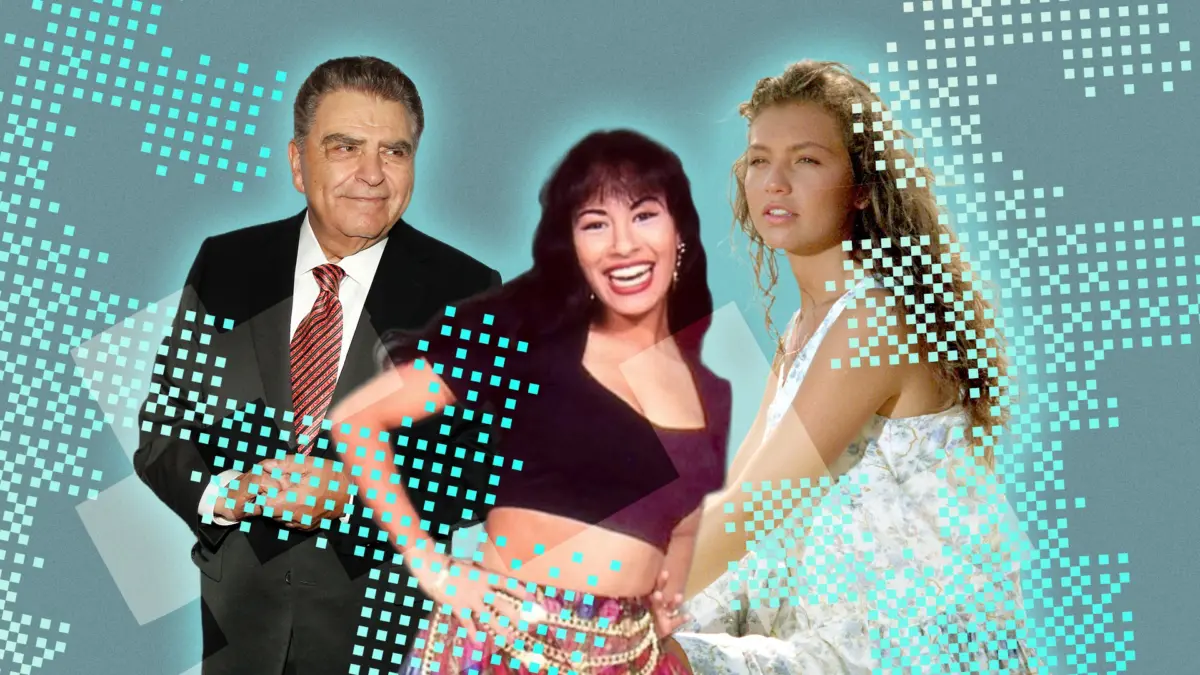
Those channels offered an immersive cultural curriculum. Viewers tuned in religiously to iconic telenovelas like Marimar, starring the globally beloved Thalía alongside Eduardo Capetillo, a sweeping melodrama that captured the hearts of millions and frequently served as a young viewer’s very first television crush. Weekends brought the unstoppable cultural phenomenon of Sábado Gigante and its legendary host, Don Francisco, a variety powerhouse that families looked forward to watching together all week long. The show was a vibrant mosaic of comedy sketches, musical guests, human-interest segments, and high-energy contests. Likewise, the magnetic presence of Selena Quintanilla-Perez—the Tejano superstar whose tragic passing only deepened her monumental legacy—filled screens as families repeatedly watched her electrifying performances, interviews, and music videos, seemingly unwilling to let those fleeting moments of representation slip away.
There was something undeniably powerful about hearing Spanish spoken fluently and dynamically inside the home. Even when the specific plots of the telenovelas or variety programs did not mirror the exact lived experiences of a Dominican family in New Jersey, the emotional core remained entirely familiar. The distinct colloquial expressions, the complex and deeply loyal family dynamics, the vibrant musical underscores, the sharp humor, and the larger-than-life personalities all reflected pieces of a shared culture that children and adults alike instinctively recognized.
Watching an episode of Marimar with family was never a quiet, passive viewing experience. It was an interactive, theatrical event. A mother might shake her head in disbelief at a protagonist’s unfortunate decision, prompting an immediate, simultaneous chorus from other family members shouting, "¡Te dije que eso iba a pasar!"—telling you that was going to happen. Within moments, the living room would fill with a cacophony of overlapping voices, echoing laughter, gentle teasing, and playful arguments over who among them had predicted the plot twist first.
This spontaneous theatricality mirrored the exact social energy found at traditional Dominican family gatherings. At any given weekend party or Sunday dinner, adults could be found laughing uproariously at decades-old stories while simultaneously debating everything from local family gossip to the latest dramatic developments unfolding on the television screen. Someone was always calling out from the kitchen or down the hallway, and somehow, within seconds, the entire household was wrapped into a singular, flowing conversation. While the broadcasted shows did not explicitly tell a Dominican-American story, sharing them with a mother, siblings, and extended family made the living room feel definitively like home.
Cultural resonance, as many immigrant children eventually come to understand, does not always arrive packaged in direct, literal representation. Sometimes, it manifests purely through emotional and cultural recognition. Marimar was produced in Mexico and featured a distinctly Mexican production style, and Selena was a pioneering Mexican-American artist from Texas. Yet, the broader Latino diaspora found common ground in the universal themes of passion, resilience, family loyalty, and joy that transcended national borders.
During those formative years, those evenings were rarely analyzed through the academic lens of cultural preservation. To a kid growing up balancing dual identities in New Jersey, it was simply television time spent with loved ones. It was only decades later, looking back with the perspective of adulthood, that the profound significance of those ordinary moments became clear. They were quiet, persistent lessons in identity, teaching children who they were, where their families came from, and how to honor their roots while walking down American streets.
For countless immigrant families across the United States, broadcast television functioned as much more than mere escapist entertainment. It acted as a vital cultural bridge. For a Dominican household striving to establish economic stability and a secure future in the U.S., these networks helped preserve the Spanish language, introduced new musical genres, maintained a shared sense of humor, and kept an unbroken emotional cord tied to the Caribbean.
That was the unique, irreplaceable magic of appointment television. Families sat down together simply because a program was scheduled to air at a specific hour, and because everyone watched it collectively, it organically transformed into tomorrow’s family conversation. A child could spend the entire school day speaking, reading, and learning in English, only to return home to a living room completely enveloped in Spanish. They were growing up rooted in the cultural landscape of New Jersey while simultaneously maintaining a vibrant, daily window into Latin America and the Caribbean. There was no exhausting need to choose between being Dominican and being an American from the Northeast—it was entirely possible to seamlessly embody both.
Even today, hearing the iconic, nostalgic opening notes of Marimar instantly conjures vivid memories of those cozy evenings surrounded by family. However, the mechanics of how modern audiences consume television and media have shifted dramatically. The days of waiting patiently for a scheduled broadcast or negotiating with family members over the living room television schedule have largely been replaced by on-demand streaming. Today, content is consumed individually on laptops, tablets, and smartphones whenever personal schedules permit. When a modern television show, viral video, or cultural touchstone sparks laughter or brings back a wave of nostalgia for home, the medium of sharing has evolved. Instead of shouting across a living room, families now communicate through rapid-fire exchanges of clips, TikToks, and memes within dedicated family group chats.
The fundamental human desire for cultural connection remains as strong as ever, but its physical shape has transformed entirely. Decades ago, a dramatic telenovela scene, a memorable musical performance on Sábado Gigante, or a beloved song broadcasted across national airwaves would automatically become the next day’s communal talking point because an entire demographic had watched it simultaneously. Today, the landscape is defined by endless choices, algorithmic feeds, and hyper-personalized content. Modern audiences may watch entirely different streaming series, follow distinct digital creators, and discover their cultural touchstones through vastly different pathways. Shared cultural moments have not vanished from society entirely; rather, they have simply become less automatic and more decentralized.
Concurrently, a new generation of Latino creators is no longer waiting for traditional media gatekeepers to grant them representation. Instead, they are building that representation themselves from the ground up. A young Dominican child growing up in New Jersey today can unlock their smartphone and immediately find a thriving, dynamic digital community that directly reflects their unique multi-cultural experiences, slang, and modern realities. That unprecedented access and creative freedom represent an undeniable milestone for media diversity.
Yet, alongside this modern abundance, a quiet nostalgia remains for the collective viewing experience of the past. The platforms have undeniably expanded, shifting fluidly from traditional telenovelas and Saturday night variety shows to TikTok videos, independent podcasts, YouTube channels, and subscription streaming networks. Despite these technological leaps, the core human yearning for connection has not fundamentally changed. There is still a deep-seated desire to encounter something that reminds an individual of home—and to share that exact moment instantly with the people who originally made them feel at home.
For those who grow up straddling two distinct cultural worlds, heritage is passed down through far more than oral histories or formal stories about ancestral homelands. It lives and breathes in everyday language, treasured family recipes, rhythmic music, and the ordinary, unscripted moments shared under one roof.
For many, that rich heritage is permanently etched into the memory of a television glowing softly in a New Jersey living room, filling the air with the sounds of Spanish dialogue and laughter. What once appeared to be simple, everyday entertainment ultimately proved to be a powerful formative force. The true magic was not merely found in the programs flashing across the screen, but in the act of watching them together as a family.
Today, communities possess more diverse tools and pathways to connect with their culture than at any point in history. The ongoing challenge, however, lies in preserving the communal nature of those connections in an increasingly fragmented digital age. Culture is never merely a passive product to be consumed in isolation; it is a living, breathing experience to be actively shared, collectively remembered, and lovingly passed down from one generation to the next.