

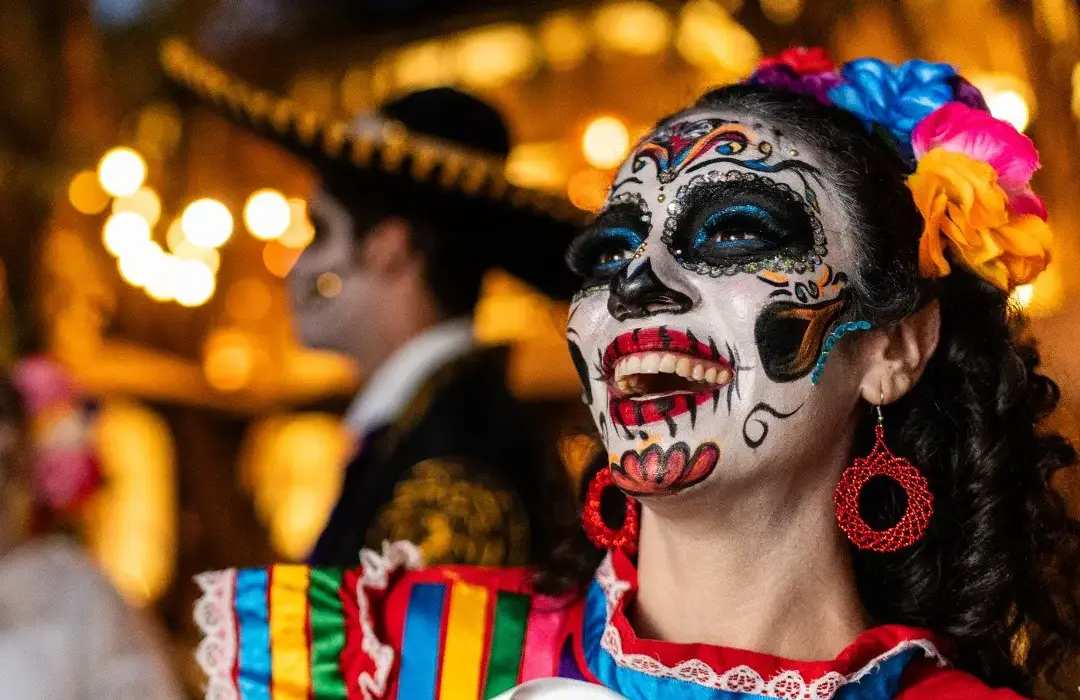
The elegant skeleton beneath the feathered hat looks timeless, a stark yet striking embodiment of mortality that has become synonymous with one of Mexico’s most celebrated holidays. Yet La Catrina, far from being an artifact of ancient pre-Hispanic rituals, emerged from the dynamic world of Mexican printmaking in the early twentieth century. Her evolution from a satirical newspaper illustration to a global cultural icon encapsulates the complex, living history of Día de Muertos—a holiday sustained not by static tradition, but by the continuous interpretations of the people who give it meaning.
To understand La Catrina is to understand the broader celebration itself. The vibrant orange cempasúchil flowers, the rich aromas of traditional food, the flickering warmth of candles, and the framed photographs of familiar faces gathered together on an ofrenda carry histories shaped across generations. Exploring how these elements came together reveals a tradition that bridges the ancient and the modern, continuously sustained by communities determined to honor their past while living firmly in the present.
Before the November Calendar
Long before the arrival of Spanish colonization, Indigenous peoples across Mesoamerica maintained deeply ritual relationships with their ancestors. These spiritual frameworks recognized death not as a final end, but as another phase of existence, integrating remembrance deeply into communal and agricultural cycles. Historical records, including documentation from Harvard’s Peabody Museum, highlight that early offerings frequently included sacred items such as incense and food, among them traditional staples like tamales.
While these ancient practices provide essential historical context for contemporary observances, tracing an uninterrupted line from pre-Hispanic ceremonies to today’s celebration is considerably more complicated than popular narratives suggest. Noted anthropologist Stanley Brandes has challenged interpretations that treat broad similarities in imagery or seasonal timing as sufficient proof of direct cultural continuity.
During the colonial period, Indigenous spiritual and ritual practices inevitably encountered the Catholic observances brought by the Spanish crown and missionaries. These notably included All Saints’ Day on November 1 and All Souls’ Day on November 2. Across diverse regions and communities, native beliefs and Catholic rituals were reinterpreted, blended, and negotiated under colonial religious rule. This dynamic process produced new forms of remembrance that continued to change and adapt long after the colonial era ended.
Ultimately, while the specific November dates belong to the introduced European Catholic calendar, the ways modern families observe them reflect far more varied, resilient, and localized histories.
How La Catrina Entered the Picture
The visual language of Día de Muertos has never been static; it developed over centuries through artistic and social evolution. During the nineteenth century in Mexico, printmakers and publishers frequently utilized skeletal figures in popular illustrations and political satire. These calaveras allowed artists to mock the living, poke fun at political figures, and address the universal reality of death with dark humor and social commentary.
Renowned printmaker José Guadalupe Posada created the foundational image that would eventually evolve into the iconic figure known today as La Catrina. Originally titled Calavera Garbancera, Posada’s etching mocked indigenous people who aspired to adopt European aristocratic fashions while turning their backs on their own cultural heritage. The image’s widespread circulation through inexpensive printed sheets placed it squarely within a vibrant world of popular storytelling, biting humor, and sharp social critique.
The name and definitive identity of the figure have their own distinct historical trajectory. Research highlighted by the Instituto Nacional de Antropología e Historia traces the specific title “Calavera catrina” to a 1930 collection of Posada’s preserved work, which helped cement her place in the national consciousness.
Decades later, in 1947, master muralist Diego Rivera incorporated the skeletal woman into his iconic masterpiece Sueño de una tarde dominical en la Alameda Central (Dream of a Sunday Afternoon in Alameda Central). By painting her with the elaborate, full-length feathered hat and sophisticated Victorian-era dress familiar today, Rivera gave her a grand artistic presence. Her prominence grew exponentially through subsequent generations of artists who reinterpreted her form, helping transform a satirical printed newspaper graphic into an enduring cultural symbol of Mexican identity.
A New Public Life in the United States
While the imagery and rituals of Día de Muertos have deep roots in Mexico, Mexican American families observed traditions of remembrance well before the large, highly visible public celebrations that now take place across towns and major cities in the United States. These private observances kept the holiday alive through generations of migration and adaptation.
By the 1970s, Chicano artists, intellectuals, and activists played a pivotal role in expanding those private remembrances into powerful public expressions of cultural identity and political solidarity. Los Angeles-based arts organization Self Help Graphics & Art pioneered this movement when it began its landmark Día de los Muertos celebration in 1973, establishing a model that would be replicated across the country.
As documented by the Smithsonian American Art Museum, these evolving public events brought together traditional altars, community processions, and contemporary artwork while actively responding to the social and political concerns within Chicano communities. Remembering the dead in a public space created a vital venue for people to gather, express themselves through art, and publicly affirm their cultural heritage in a society that often marginalized minority traditions.
The People Behind the Offering
Despite the growing global commercialization and public visibility of Día de Muertos, the heart of the celebration remains deeply personal, rooted in the intimate spaces of the home and the family.
An ofrenda may hold a simple framed photograph, a plate featuring a deceased loved one’s favorite meal, or a glass of water and traditional drink prepared for someone whose place in the family endures across the threshold of death. In the rich belief systems of participating communities, the vibrant colors and strong scents of cempasúchil flowers, alongside the guiding light of flickering candles, help welcome returning souls back to the earthly realm for a brief, joyous reunion.
Specific practices and ritual details continue to differ significantly by region, community, and individual family tradition. Recognizing this cultural depth, UNESCO’s official recognition of the Indigenous festivities dedicated to the dead—originally proclaimed in 2003 and formally inscribed in 2008—acknowledges traditions that inextricably connect remembrance with community life, social solidarity, and the rhythms of the agricultural cycle.
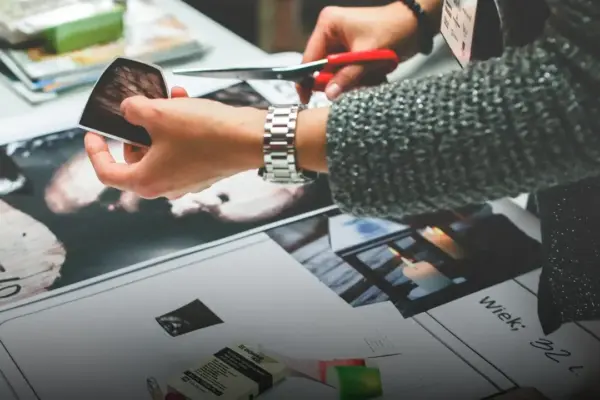
That centuries-old history continues to live and breathe whenever a family prepares an offering for the season. It happens in the quiet moments when someone carefully chooses a cherished photograph to place on the altar, when someone remembers an heirloom recipe, or when an elder takes the time to tell a child who the person in the picture was, ensuring their memory endures for yet another generation.