







For decades, small neighborhood bodegas have served as the vital heartbeat of Latine communities across the United States, casting a particularly indelible shadow over the streetscapes of New York City. Stocking everything from essential pantry staples like plantains and casabe to trusted household medicines and familiar brands, these corner stores have long functioned as physical and cultural bridges. They gracefully connected the fast-paced American lives of immigrants with the deep-rooted traditions of the countries and neighborhoods their families left behind. For generations of parents and abuelos, simply stepping into a bodega to find those specific, comforting goods—and to share a warm conversation in Spanish with the person behind the counter—offered a profound sense of comfort, belonging, and community. Crucially, these sanctuaries provided that warmth regardless of an individual’s socioeconomic standing or citizenship status.
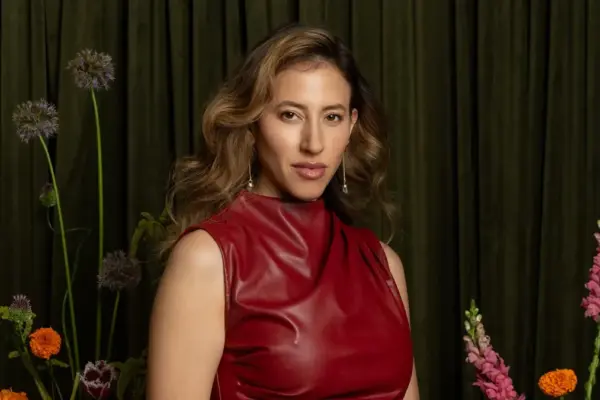
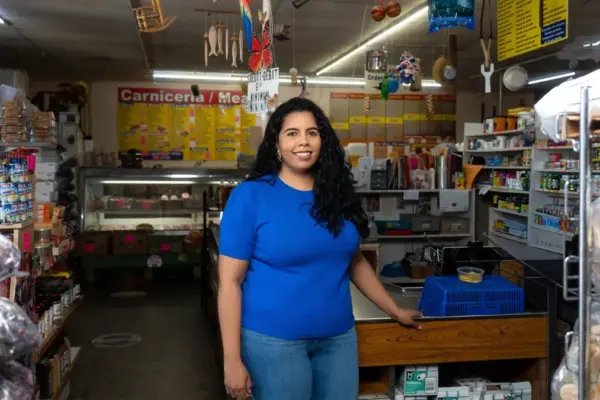
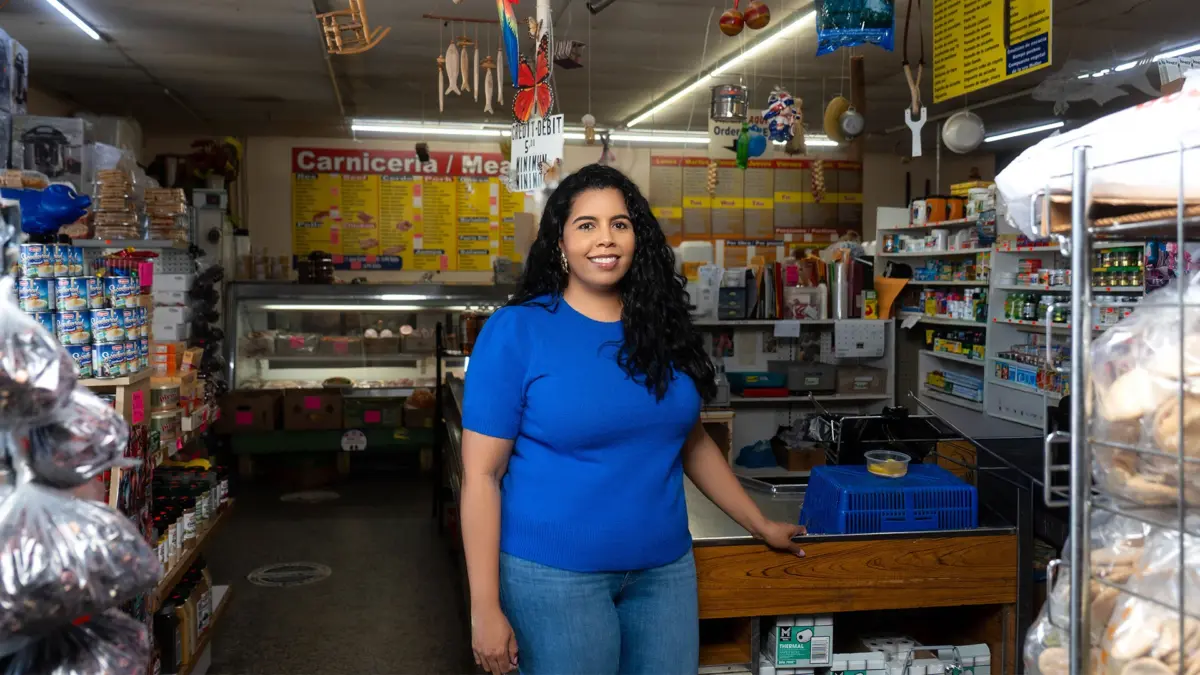
That enduring cultural bridge deeply inspired journalist and debut author Amaris Castillo to write Bodega Stories, a deeply personal and observational memoir scheduled for release by the University Press of Florida on September 8, 2026. Through a powerful collection of poignant narratives and striking photographs captured entirely through her own lens, the memoir chronicles the daily lives, quiet struggles, and resilient dreams of Castillo’s Dominican immigrant parents. It simultaneously examines the diverse communities served by their family business, Orlando Latin Market, located in St. Petersburg, Florida. The book explores not only what it was like for Castillo to grow up working inside the aisles of the store, but also how those formative experiences taught her to observe people with boundless curiosity, passionately embrace her Dominican heritage, and deeply understand how the physical places where we grow up ultimately shape who we become as adults.
Castillo reflects on her lifelong fascination with human nature, noting that it dates back directly to her distinctly Dominican and Caribbean childhood in the borough of Brooklyn. She spent the first decade of her life navigating the vibrant streets of Crown Heights before her family eventually relocated to Woodhaven, Queens, and finally settled down in Florida during her high school years. Looking back, she firmly believes that her unique upbringing deliberately nurtured the innate storyteller within her.
As a testament to that early creative spark, Castillo recalls a childhood milestone. In the first grade, she won a competitive storytelling contest alongside two other children, creating a handmade book that eventually found a permanent home in a special exhibit at a museum in New York City. Working shoulder-to-shoulder at the family bodega, surrounded by a revolving cast of unique characters, further sharpened her perspective. Day in and day out, she got to witness both the absolute best and the most heartbreaking worst in human beings, an up-close education in empathy and human resilience that would eventually define her literary voice.
When Castillo finally sat down to report and write Bodega Stories, she was not merely setting out to document the local history of her parents’ modest grocery store. Rather, she was undertaking the vital task of chronicling the rich, multifaceted lives of the dedicated workers who kept the shelves stocked and the neighborhood customers who walked through the heavy front doors day after day.
Among those patrons was Yanick, a Haitian customer who visited the market around New Year’s Day to gather specific ingredients for soup joumou, the deeply symbolic, traditional Haitian soup inextricably associated with the nation’s hard-fought independence. Castillo watched closely as Yanick carefully selected pieces of fresh calabaza and searched through the chest freezers for the right cuts of beef. At first, the young observer did not fully comprehend the cultural significance of what she was witnessing right in front of her.
It was only later, driven by her journalist’s curiosity, that she began researching Haitian culinary traditions. She realized with sudden clarity that Yanick was preparing a dish that carried immense historical and emotional weight for Haitians worldwide. Yanick later confirmed her suspicions, explaining that she was carefully crafting soup joumou to share with her family on January 1. For Castillo, that single, quiet interaction crystallized a profound realization about the everyday reality she had been observing inside her parents’ bodega for years: customers were never simply shopping for mundane groceries; they were actively searching for tangible pieces of home.
She recalls feeling as though she were watching people arrive at the store in real-time driven by a clear reason and a deeper purpose. Often, that purpose was simply to find the specific foods that they loved, that they felt comfortable with, and that offered an immediate, sensory bridge to their cultural roots. To Castillo, food is not merely sustenance—it is identity itself.
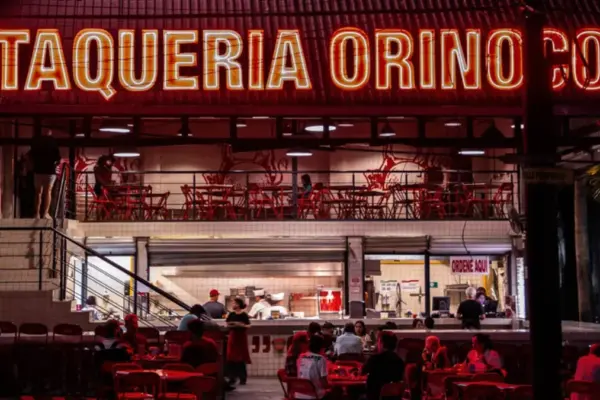
For lifelong New Yorkers, the word "bodega" feels almost inextricably synonymous with the identity of the city itself. It evokes the image of the quintessential, compact neighborhood store where a resident can purchase anything from a hot bacon, egg, and cheese breakfast sandwich to fresh platanos, ripe avocados, a jar of Vicks VapoRub, and household laundry detergent, almost always accompanied by the steady, comforting presence of a bodega cat keeping watch nearby.
Although bodegas are frequently viewed through the lens of New York’s prominent Puerto Rican and Dominican communities, Castillo contextualizes them within a much broader, historical lineage of immigrant-run neighborhood shops. She traces the tradition back through earlier waves of Italian, Irish, and Jewish immigrant shopkeepers, noting specifically how Puerto Rican communities helped establish the foundational bodega culture that subsequent generations of Dominican immigrants would eventually inherit and expand upon.
During the 1920s, Puerto Ricans opened numerous bodegas, restaurants, botanicas, and boarding houses across the city, truly paving the way for the wave of Dominican entrepreneurs who followed in their footsteps decades later. As Dominican immigration to New York surged through the 1960s, 1970s, and particularly the 1980s, a growing number of Dominican immigrants began purchasing established bodegas directly from aging Puerto Rican owners, passing the torch of neighborhood commerce from one Caribbean community to another.
Castillo’s own family proudly joined that rich historical lineage, eventually transplanting traditional bodega culture down to the sun-drenched landscape of Florida. Their Dominican-owned enterprise, the Orlando Latin Market, has successfully adapted over the years to serve an even broader, multicultural demographic, including a significant population of Cuban residents who frequent the aisles. Despite the geographic relocation and the shifting demographics of their customer base, the family connection remains entirely intact. As Castillo notes with pride, her parents still affectionately call it a bodega, and they call it a bodega.
Growing up inside the store and later conducting deeper reporting for her book introduced Castillo to a parade of everyday customers whose ordinary shopping trips revealed sweeping, emotional narratives about culture, memory, and family resilience. Among them is a Cuban customer who regularly stops by to purchase fresh plantains because his beloved wife takes joy in making chicharitas—thinly sliced, crispy fried Cuban plantains. Then there is Deisy, a Cuban woman and former cashier at the market who still returns frequently just to catch up and share affectionate updates with Castillo’s parents and her former coworkers. Deisy carries a deeply poignant physical reminder of her homeland: a tattoo of a map of Cuba divided cleanly into its fifteen distinct provinces, with her birthplace of Cienfuegos highlighted prominently. Behind the intricate map lies the country’s flag, rendered with bright blue stripes designed to mimic the swirling ocean waves where the Caribbean Sea, the Gulf of Mexico, and the Atlantic Ocean meet. Deisy fled Cuba alongside her boyfriend in 2019, securing the permanent artwork with the heartbreaking realization that she would likely never set foot on her native island again.
Another regular patron, a Dominican man named José, visited the shop to pick up the specific ingredients needed to prepare a traditional batch of sancocho. Because his wife was suffering from poor health, he had stepped up to help his sister-in-law cook the hearty, restorative stew. For Castillo, the bodega functioned as an informal, vibrant classroom, where she continuously absorbed firsthand lessons regarding Haitian culinary traditions, Cuban comfort foods, and the subtle, fascinating regional variations of sancocho found across Latin America and the Caribbean.
However, Castillo is careful to emphasize that Bodega Stories is deliberately not a romanticized, rose-colored portrait of immigrant-owned small businesses. She maintains a sharp distinction regarding the economic realities of the trade. She notes that refusing to romanticize bodegas is essential because doing so would diminish the genuine, often harsh economic realities that bodegueros face on a daily basis.
Those complex realities include soaring operational costs and the increasingly volatile economics of running a small brick-and-mortar business, particularly in high-rent metropolitan hubs like New York City and rapidly developing regions of Florida. Furthermore, the human cost is heavy, underscored by the broader immigration crises unfolding directly within their customer base. Castillo shares that her parents have frequently listened to patrons whose spouses or loved ones have been abruptly detained or deported. Some customers have broken down in tears inside the store, consumed by a profound sense of defeat and fear.
Navigating these intensely emotional moments presents a difficult challenge for Castillo’s parents, who often struggle to know how best to intervene or offer concrete help. Ultimately, however, they have always strived to provide a listening ear and a safe space to comfort their grieving customers. This dynamic highlights another crucial, unwritten function of the neighborhood bodega: it remains a steadfast place where people can show up and seek solace even when the rest of their personal lives appear to be falling apart. Castillo recalls one specific customer whose husband was suddenly detained for deportation; despite the devastating disruption to her world, the woman still had to show up at the store to buy provisions and prepare dinner for her children.
Immigration policies and political upheaval do not magically erase the fundamental human need for daily sustenance. Children still need to eat, families still require dinner on the table, and the local bodega quietly keeps its doors unlocked amid it all.
Nevertheless, sustaining that vital community role is becoming increasingly difficult, particularly in New York City, where skyrocketing rents, runaway inflation, and aggressive gentrification threaten the neighborhood bodegas that have historically anchored immigrant survival and community cohesion. For the hardworking owners who stake their lives on these ventures, running a bodega is not a nostalgic exercise or a hobby; it is a vital, day-to-day livelihood.
Castillo’s own parents have weathered notoriously difficult financial years running their store. She notes that a routine phone call to her mother to check in on business conditions sometimes yields a somber report that trade has been "very slow." While Florida was once viewed as an economic haven offering significant advantages over New York—including a more forgiving cost of living—that landscape is shifting rapidly. The state is experiencing unprecedented development and population booms, driven largely by the fact that people from all over the country are moving there in droves.
Ironically, the internal migration patterns that helped foster new Latine communities and inspire new bodegas in the American South are now actively contributing to the exact same rising costs and economic pressures threatening them today. Ultimately, however, Bodega Stories stands firmly as a heartfelt love letter to Castillo’s parents, who are now in their sixties and continue to put in grueling hours at the market. Unsure when or if they will ever be financially secure enough to fully retire, she wanted to properly honor, document, and preserve everything they have built through decades of relentless labor. When she reflects on the traditional concept of the American dream, she recognizes a milestone her parents have already achieved in their own unique way.
They have successfully carved out their own version of the dream, she observes. They are entirely their own bosses, and they have organically cultivated their modest business into a beloved, cornerstone community space where they have watched neighborhood children grow from infancy straight into young adulthood right inside the aisles of the store.
As a tangible symbol of their labor, her parents even managed to construct a modest retirement home in Salinas, a quiet fishing village located in the Dominican Republic, complete with dedicated rooms set aside for Castillo and her own children. For the author, the bodega represents years of exhausting personal sacrifice made physically real and enduring.
When asked what originally compelled her to write a book centering on her parents, their winding life journey, and the eclectic array of people she met across the counter, her answer remains refreshingly simple: she wanted to validate their lifelong work. It is a mission she has consciously taken on as her own responsibility. Even though the resulting book is entirely about them and proudly dedicated to their legacy, she admits that it still does not always feel like enough to repay them. She frequently finds herself asking what else she can possibly do to prove to them that every ounce of their sacrifice was truly worth it, expressing a deep desire for them to simply feel seen and recognized.
Although Castillo initially embarked on the literary project primarily to document her family’s personal history and the quiet dignity of the people orbiting their store, the broader cultural meaning of the book has shifted dramatically in tandem with the current political climate. At a time when immigrants are frequently reduced to flat, partisan political talking points on the national stage, she fiercely wants readers to look past the rhetoric and see them as complete, complex human beings.
She explains that she wants the book to be a work that readers can sit with quietly to immerse themselves in the genuine, unvarnished lives of everyday people, particularly Latino immigrants. In an era where immigrants are routinely vilified from various political corners, Castillo believes it is critically important to counter that negativity with authentic human stories, asserting that this is who they truly are.
Above all else, Castillo wants readers to walk away with the understanding that the immigrant experience is never defined by a single, monolithic story. Instead, thousands of ordinary, remarkable stories unfold quietly every single day across the country—inside private homes, crowded restaurants, local beauty salons, neighborhood churches, community centers, and, crucially, behind the counters of local bodegas. Most of the individuals featured within the pages of her book are simply trying to make a decent living and build the best life possible for their families.
Even as traditional bodegas continue to face an uncertain financial future amid shifting economic landscapes, Castillo wants readers to view these spaces as centers of genuine human joy and cultural connection—an experience well worth protecting and preserving for future generations. She hopes readers will develop a deeper, lasting appreciation for physical "third spaces," a heightened recognition of the vital livelihoods these stores provide for hardworking owners and workers, and an acknowledgment of the profound sense of community and belonging they foster for their loyal customers. To Castillo, that sense of community is a rare gift, and one that society should actively strive to protect and preserve.