


For decades, bodegas have served as the undisputed anchors of Latine communities across the United States, particularly within the bustling boroughs of New York City. Stocking everything from staples like plantains and casabe to trusted household medicines, these small neighborhood storefronts have long bridged the gap between American daily life and the rich cultural homelands of immigrant families. For countless parents and abuelos, stepping past the threshold to find familiar goods—and to share a conversation in Spanish with the person behind the counter—offered an immediate sense of comfort, belonging, and community, operating entirely regardless of socioeconomic backgrounds or legal citizenship statuses.
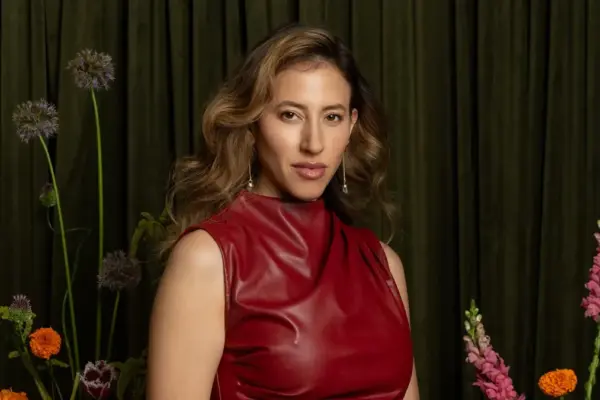
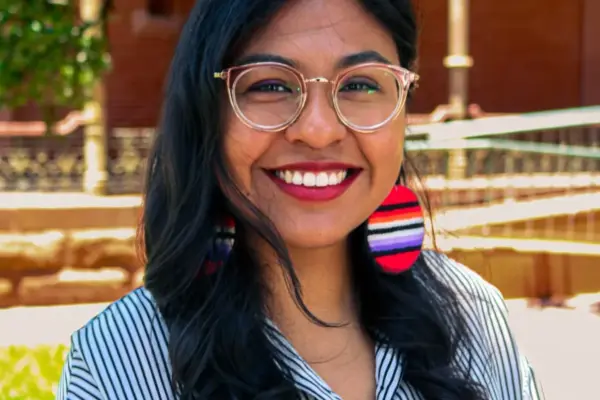
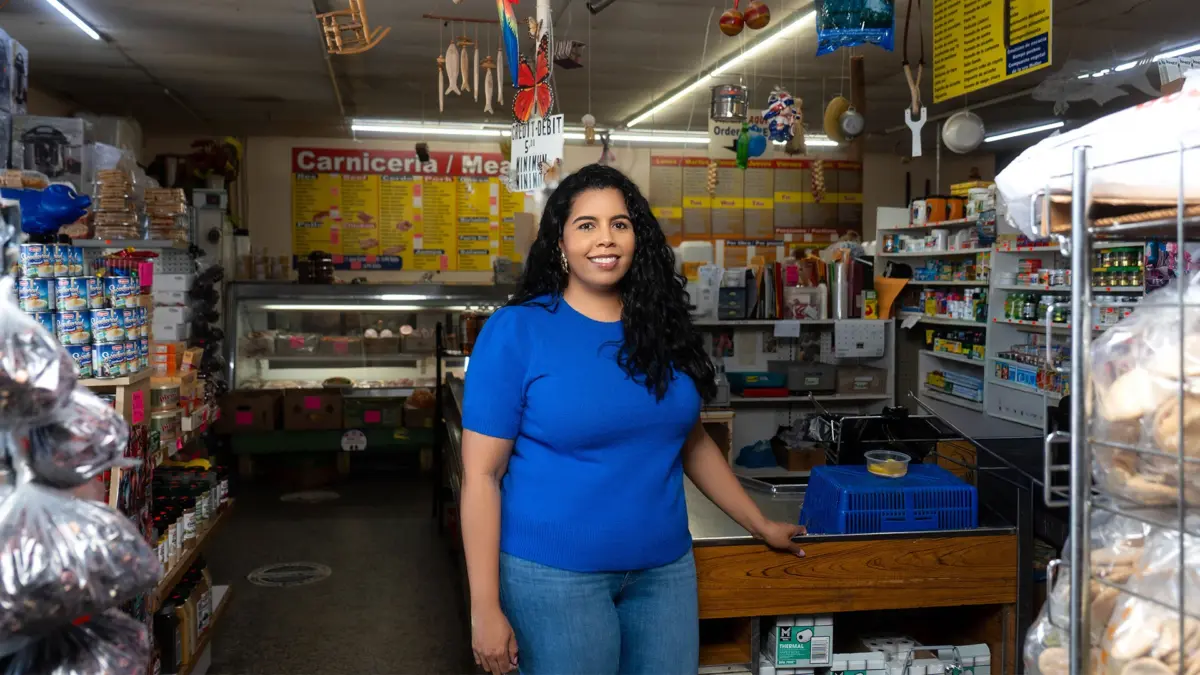
For journalist and debut author Amaris Castillo, that profound cultural bridge provided the deep inspiration for her upcoming memoir, Bodega Stories. Set for release by the University Press of Florida on September 8, 2026, the book blends evocative storytelling with original photographs captured by Castillo herself. The memoir vividly chronicles the lives, daily struggles, and enduring dreams of her Dominican immigrant parents, as well as the diverse community served by their family business, the Orlando Latin Market in St. Petersburg, Florida. Through its pages, the work explores not only Castillo’s personal experiences growing up working inside the aisles of the store, but also how those formative years taught her to observe people with deep curiosity, fiercely embrace her Dominican heritage, and understand how the environments of our youth fundamentally shape who we become.
Reflecting on her journey, Castillo notes that her lifelong fascination with human narratives stems directly from her early years. "I think I’ve always had a curiosity about other people, and that dates back to my very Dominican Caribbean childhood in Brooklyn," she says. Castillo spent the first decade of her life growing up in Crown Heights before her family relocated to Woodhaven, Queens, eventually settling down in Florida by the time she reached high school. In many ways, she firmly believes that her upbringing nurtured the observant storyteller she is today.
"In first grade I even won a storytelling contest. It was me, and I think two other kids who won the contest, and I remember making a book that ended up in an exhibit somewhere in a museum in New York City," Castillo recalls. "So, I think working at the bodega, being up close to all the unique characters… I got to see the best in humans, and I got to see the worst in humans."
When Castillo began the rigorous process of reporting and writing Bodega Stories, her mission extended far beyond simply documenting the history of her parents’ store. She sought to chronicle the intricate, everyday lives of the workers who kept the shop running and the diverse array of customers who walked through its doors day after day.
One such encounter involved a Haitian customer named Yanick, who walked into the store around New Year’s Day to meticulously gather ingredients for soup joumou, the traditional Haitian soup deeply associated with the nation’s hard-won independence. Castillo watched as Yanick carefully selected pieces of calabaza squash and searched through the meat freezer for beef. At first, the young journalist did not fully grasp the cultural significance of what she was witnessing.
"I started searching Haitian soup, and I realized, oh my god, I’m pretty sure what she was doing was gathering ingredients for this soup that means so much to her and other Haitians," she explains.
Yanick later confirmed that she was indeed preparing soup joumou for her family to celebrate the holiday on January 1. For Castillo, the poignant moment crystallized a truth she had been quietly observing inside her parents’ bodega all along: customers were never simply shopping for routine groceries; rather, they were actively searching for tangible pieces of home.
"I felt like I was watching in real time people coming to the store with a reason, with a purpose," she says. "And it was oftentimes to find the foods that they love, that they’re comfortable with, that they’re familiar with, and that is a bridge to their culture. Food is identity."
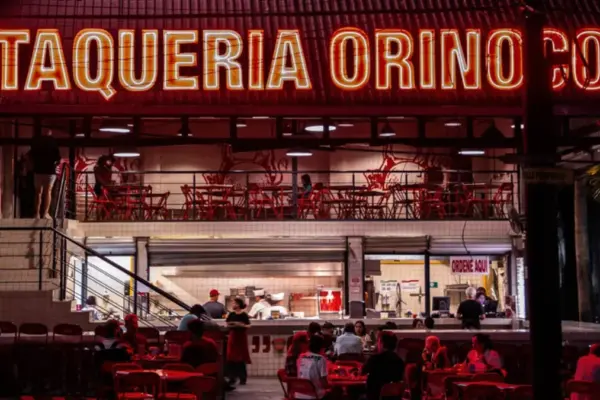
For residents of New York City, the word bodega can feel virtually synonymous with the urban landscape itself. It evokes the image of the compact neighborhood shop where one can purchase everything from a morning bacon, egg, and cheese sandwich to platanos, avocados, Vicks VapoRub, and laundry detergent, usually accompanied by a lazy bodega cat lounging nearby.
Though bodegas are frequently intertwined with the cultural fabric of New York’s Puerto Rican and Dominican populations, Castillo places these micro-economies within a much broader, historical lineage of immigrant-run neighborhood shops established by Italian, Irish, and Jewish arrivals before them. She notes that Puerto Rican communities played a foundational role in establishing the very bodega culture that later generations of Dominican immigrants would inherit and expand.
"In the 1920s, especially Puerto Ricans, they opened a bunch of bodegas, restaurants, botanicas, and boarding houses," she points out. "So they really helped pave the way for Dominicans, I would say, with bodegas."
As Dominican immigration to New York accelerated significantly through the 1960s, 1970s, and particularly the 1980s, a growing number of Dominican entrepreneurs began purchasing neighborhood bodegas from aging Puerto Rican owners. Castillo’s own family eventually joined this proud lineage, successfully transplanting authentic bodega culture down to the warmer climate of Florida. Their Dominican-owned Orlando Latin Market has continuously adapted over the years to serve an even broader multicultural demographic, which includes a thriving population of Cuban residents.
"My parents, they still call it a bodega. We call it a bodega," she says proudly.
Growing up inside the family enterprise and later returning to report on its ecosystem introduced Castillo to customers whose ordinary shopping trips revealed sweeping narratives about cultural preservation, displacement, and family ties. Among them is a Cuban regular who routinely visits to purchase fresh plantains because his wife loves preparing chicharitas—thinly sliced and fried Cuban plantains. Then there is Deisy, a Cuban woman and former cashier at the store who still stops by regularly to catch up with Castillo’s parents and her former coworkers. Deisy carries a deeply personal reminder of her homeland: a tattoo featuring a map of Cuba divided into its fifteen provinces, with Cienfuegos, her birthplace, highlighted prominently. Behind the map flies the Cuban flag, its bright blue stripes artfully designed to mimic the crashing ocean waves where the Caribbean Sea, the Gulf of Mexico, and the Atlantic Ocean meet. Deisy fled Cuba alongside her boyfriend in 2019 and chose to get the tattoo with the sobering realization that she would likely never see her island home again.
Similarly, a Dominican customer named José once visited the store to track down the exact ingredients needed to cook sancocho. With his wife currently unwell, he was stepping in to help his sister-in-law prepare the comforting traditional stew. For Castillo, the family storefront operated as an informal, everyday classroom, educating her on Haitian culinary traditions, Cuban delicacies, and the myriad regional variations of sancocho stretching across Latin America and the Caribbean.
However, Castillo is fiercely careful to ensure that Bodega Stories is never mistaken for a romanticized portrait of immigrant-owned commerce. She draws a sharp distinction when discussing the stark economic and social realities tied to running such businesses.
"I don’t also want to romanticize bodegas because that would diminish the realities that bodegueros face," she emphasizes.
Those harsh realities encompass rapidly rising overhead costs and the increasingly volatile economics of maintaining a small storefront, particularly in major metropolitan hubs like New York City and rapidly developing regions of Florida where commercial and residential rents have skyrocketed. Furthermore, these small businesses sit directly on the front lines of the broader immigration crisis unfolding across the nation. Castillo shares that her parents have routinely listened to customers whose spouses or close loved ones have been abruptly detained or deported. Some distraught patrons have walked straight into the store in tears, overwhelmed by feelings of defeat and terror.
"It’s difficult for my parents to know what to do in that situation, but I think that they’ve always just tried to comfort their customers," she says.
This dynamic underscores another vital, unspoken function of the modern bodega: it remains a steadfast sanctuary where people can show up even when their personal lives are completely unraveling. Castillo recalls one customer whose husband was detained by immigration authorities for deportation; despite the devastating blow, the realities of daily life demanded resilience. "She still has to go to the store, and she still has to get dinner ready," Castillo points out. Shifting immigration policies do not erase the fundamental human need for basic sustenance. Children still require meals, families still gather for dinner, and amidst personal turmoil, the bodega keeps its doors open.
Yet, sustaining this critical community role is becoming increasingly difficult, particularly in New York City, where relentless gentrification and surging operational costs threaten the neighborhood bodegas that have historically protected immigrant networks. For the owners behind the counters, keeping the lights on is not an exercise in nostalgia—it is a matter of basic survival and livelihood.
Castillo’s own parents have weathered intensely challenging financial periods. There are times when she calls her mother to check in on the business, only to be met with the disheartening news that trade has been exceptionally slow. While Florida once offered distinct financial advantages over New York, including a historically lower cost of living, that economic landscape is shifting rapidly.
"There’s a lot of development in Florida," she notes. "Because everybody’s moving here."
The very demographic shifts and internal migrations that originally helped foster new Latine communities—and subsequently birthed new bodegas—are now paradoxically contributing to the soaring costs that threaten them. Ultimately, however, Bodega Stories stands as an enduring love letter to Castillo’s parents, who are now in their sixties and continue to work grueling hours. Unsure of when a realistic retirement might finally arrive for them, she felt a profound imperative to honor and thoroughly document what they have built. When she reflects on the traditional concept of the American dream, she recognizes a milestone her parents have already secured in their own right.
"They have achieved their own version of it," she says. "They are their own bosses. They’ve built this business into this beloved community cornerstone space that people continually go to and that they watched kids grow up into young adulthood in the store."
As a testament to their lifelong labor, her parents even managed to construct a retirement home in Salinas, a quiet fishing village located in the Dominican Republic, where Castillo and her own children keep designated rooms. For the author, the bodega represents years of unimaginable sacrifice rendered tangible and physical.
When asked what ultimately motivated her to write a book dedicated to her parents, their winding journey, and the diverse patrons she encountered across the aisles, her response remains refreshingly straightforward: "I want to validate their work. That’s something I’ve taken on," she says.
Even though the resulting volume is entirely about them and proudly dedicated to their name, it still sometimes feels insufficient to her. "I still feel like, what else can I show them to make them feel like all their sacrifices are worth it?" she asks. "I want them to feel like I see them."
Although Castillo originally set out to document her family’s personal history and the intertwined lives of their neighbors, the cultural and political resonance of the book has evolved alongside the shifting national climate. At a time when immigrants are frequently flattened into polarized political talking points, she hopes readers will look past the rhetoric and recognize them simply as human beings.
"I want this to be something that people can sit with and immerse themselves in the lives of everyday people, especially Latino immigrants," she says. "I think especially in this time when immigrants are vilified left and right, I think it’s important to try to counter that with true stories. This is who we really are."
Above all else, Castillo wants readers to understand that immigrant life resists being reduced to a single monolithic narrative. Every single day, thousands of ordinary stories quietly unfold across homes, restaurants, salons, churches, community centers, and neighborhood bodegas. "Most of the people in this book… are just trying to make it," she says. "They’re just trying to live the best life they can live."
Even as bodegas face an uncertain and turbulent future, Castillo hopes readers will view them primarily as spaces of genuine joy and human connection—an irreplaceable cultural experience well worth defending. "I would love for them to gain a greater appreciation for third spaces and a greater appreciation for bodegas and the livelihood that they provide for owners and bodega workers," she concludes. "And also the community and sense of belonging that they foster for many of their customers. That to me is a gift, and I think it’s something that we should try to protect and try to preserve."