








By Lissete E. Lanuza
September 17, 2026 – 10:32
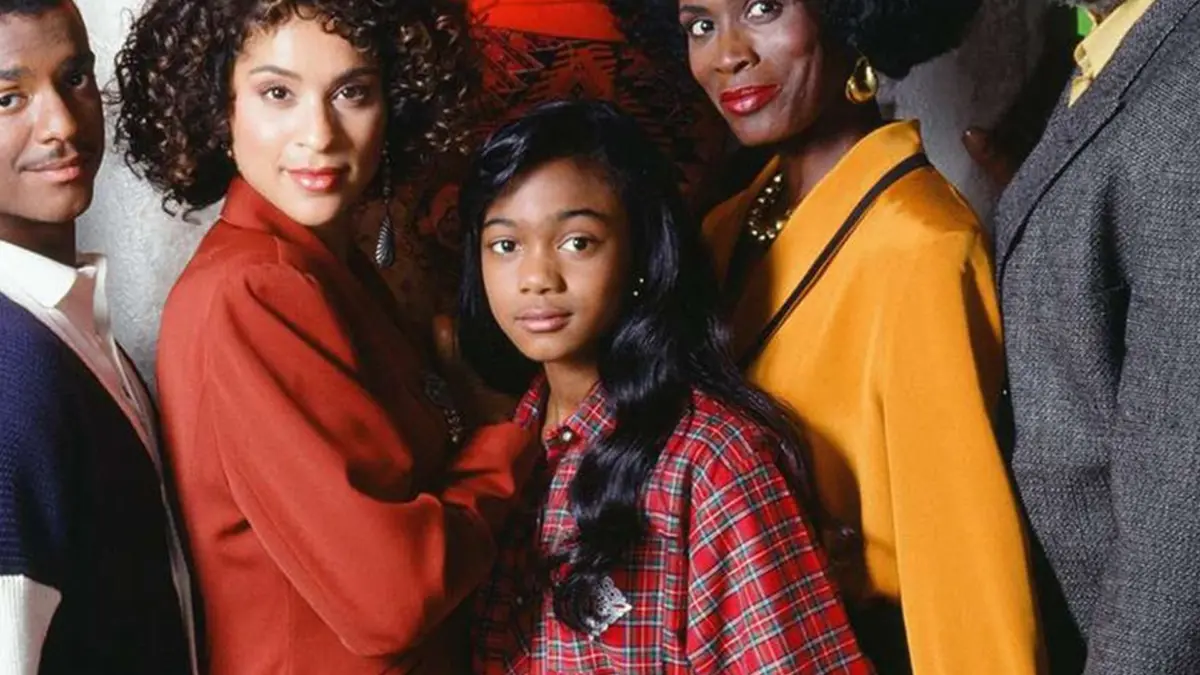
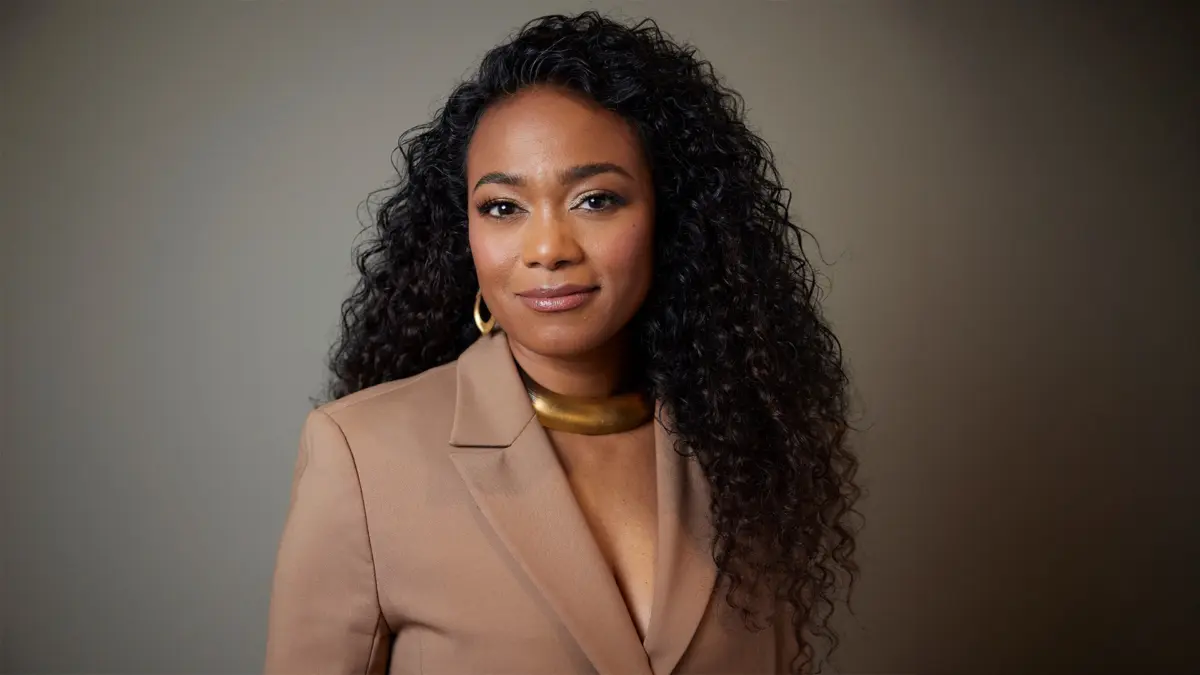
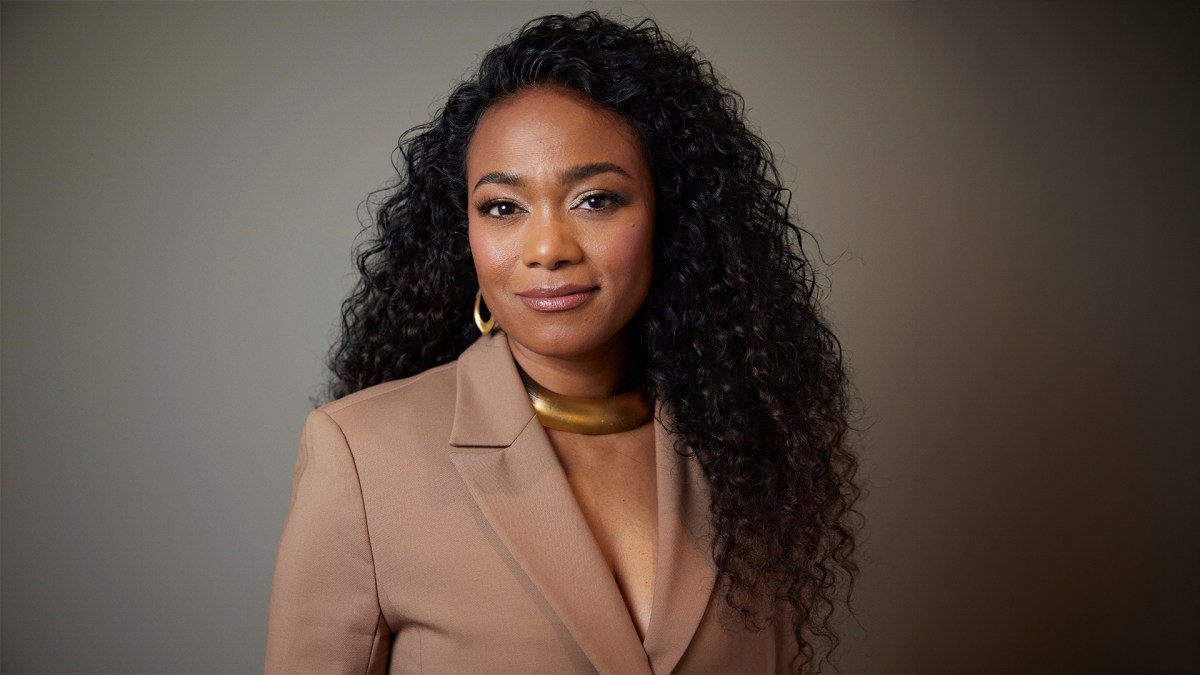
Tatyana Ali, widely recognized by television audiences around the globe for her iconic portrayal of Ashley Banks on the beloved 1990s sitcom The Fresh Prince of Bel-Air, has expanded her cultural footprint far beyond the entertainment industry. Today, the accomplished actor, singer, and current Dancing With the Stars contestant has firmly established herself as a leading, impassioned voice in the nationwide movement to improve maternity health outcomes. By shining a harsh light on systemic racism and profound inequities embedded within maternity care, Ali is advocating tirelessly for Black and Indigenous mothers and babies who continue to face disproportionate risks during childbirth.
The actress’s dedication to this critical cause is rooted in a deeply personal and harrowing experience. Ali has openly shared the trauma she endured during the delivery of her firstborn son, Aszi, in 2016. In a candid and revealing interview with NPR, Ali recounted how her carefully constructed birth plan was entirely disregarded by hospital staff, culminating in an alarming instance of what she describes as “obstetric violence.” Instead of a supportive and peaceful delivery environment, she found herself subjected to physical restraint and a terrifying lack of bodily autonomy.
Recalling the harrowing moments in the delivery room, Ali described how a routine situation rapidly escalated into a chaotic and frightening ordeal. What began as a quiet space attended by a small group of medical professionals quickly transformed into a crowded room filled with raised voices. According to Ali, her medical team began screaming and yelling at her during a critical moment when she needed guidance, reassurance, and physical safety the most. In a move that left her feeling entirely powerless, she was physically held down by approximately four people while attempting to bring her child into the world.
Rather than viewing her traumatic delivery as an isolated incident or an unfortunate medical miscommunication, Ali has consistently pointed the finger at the broader, pervasive issue of systemic racism deeply entrenched within the American healthcare system. She recognizes that her fame and celebrity status offered her no immunity from the biases that plague medical institutions daily. Reflecting on the systemic nature of the crisis, Ali noted that her terrifying experience was not an anomaly. She explained that she was merely one tiny drop in a very, very large bucket that has been overflowing for a very, very long time, emphasizing that countless marginalized women face similar and even deadlier circumstances across the nation every single day.
The heartbreaking reality of Ali’s perspective is solidly backed by stark, alarming public health data. The United States continues to grapple with a maternal mortality rate that far exceeds those of other wealthy, industrialized nations around the world. According to official statistics released by the Centers for Disease Control and Prevention (CDC), 649 women in the United States tragically died of maternal causes in 2024 alone. Beneath that devastating national total lies a profound racial disparity that public health experts have increasingly labeled a public health crisis. Statistical breakdowns consistently reveal that Black mothers are more than three times as likely to die from pregnancy-related causes compared to their white counterparts, underscoring the lethal consequences of systemic inequality in medical settings.
Confronted with these staggering statistics and her own painful lived experience, Ali chose to transform her trauma into tangible, systemic action. Moving far beyond mere awareness campaigns, she founded a business enterprise appropriately named Baby Yams. Through Baby Yams, Ali actively generates financial support to fund vital grants designated specifically for Black and Indigenous birth workers and students who are entering the maternal healthcare field. A significant portion of the proceeds generated by Baby Yams is directly donated to the Birth Future Foundation. This specialized organization plays a crucial role in the ecosystem of maternal care by providing essential financial grants to midwives, doulas, and student birth workers who are working on the front lines of community-based healthcare.
Despite the heavy gravity of the maternal mortality crisis and the deep-seated institutional barriers that persist within the medical establishment, Ali remains remarkably optimistic about the potential for change. She firmly believes that the framework for a healthier future is already being built by dedicated professionals working at the grassroots level. Pointing to the actionable steps already underway across communities, Ali emphasized that solutions are not out of reach. She noted that effective solutions exist right now, pointing to the proliferation of independent birth centers, the dedicated midwives continuing their education to better serve diverse populations, and the passionate doulas stepping into active practice to advocate for vulnerable mothers.
Furthermore, Ali stresses that the fight for comprehensive reform requires relentless persistence and an unwavering refusal to accept substandard care. She emphasizes that it is vitally important to keep pushing forward to demand better standards, better training, and better accountability from the medical community at large. Every voice raised and every policy challenged brings the healthcare system one step closer to true equity and justice for families of color.
For Ali, the ultimate goal of this advocacy is rooted in fundamental human dignity, bodily autonomy, and the right to compassionate, respectful healthcare. Summing up the core message of her advocacy work and her vision for mothers everywhere, Ali offered a powerful reminder of what every parent deserves during one of the most vulnerable moments of their lives. Asserting the inherent worth of marginalized mothers, she declared that women deserve to be genuinely cared for, deserve to have meaningful choices regarding their own medical care, and deserve to maintain absolute control over their own bodies. In her view, mothers from every background are inherently beautiful and entirely deserving of loving, gentle hands when they bring new life into the world.